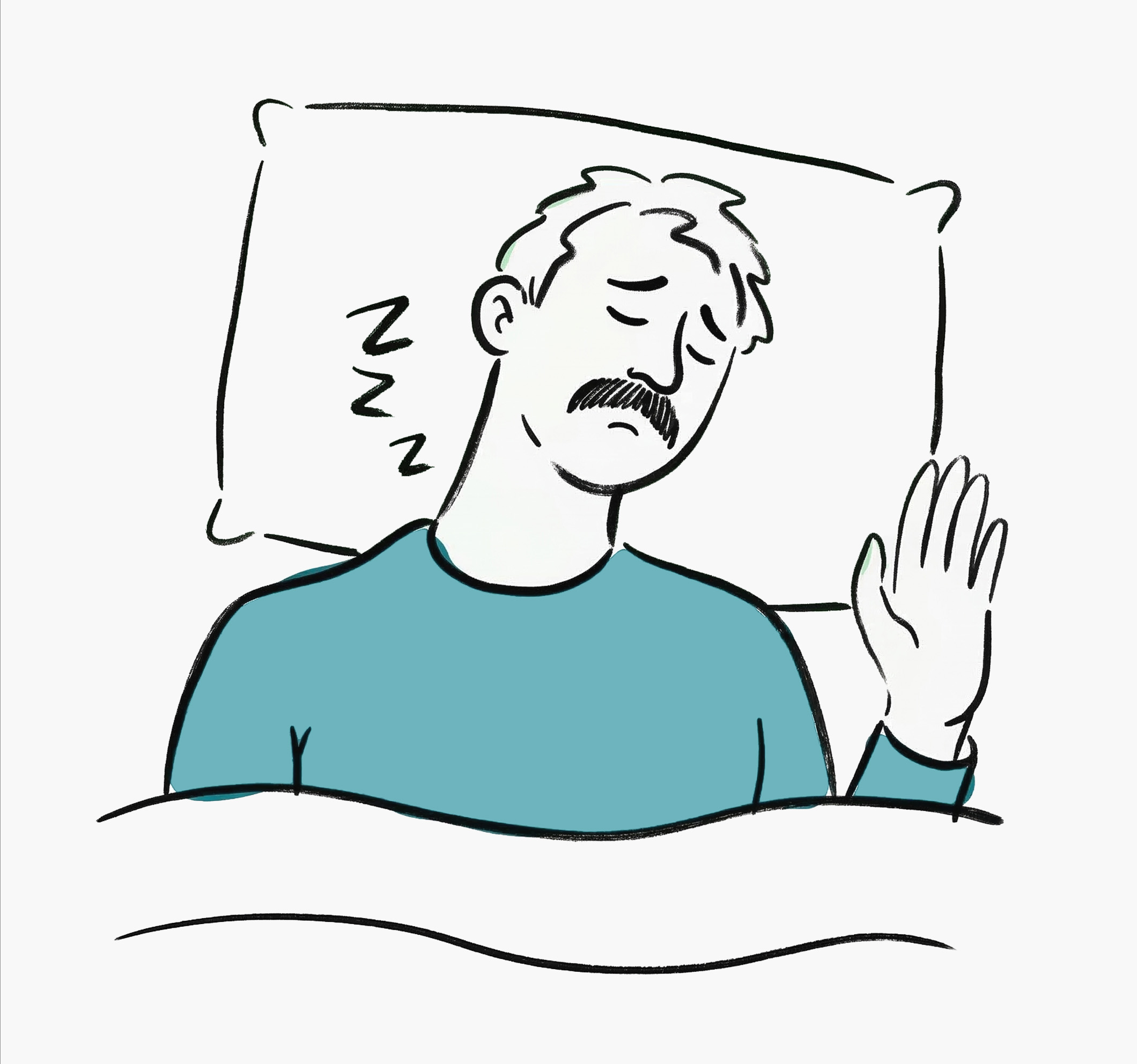



Andropause (Male Menopause): Symptoms, Age and Treatment
What andropause actually is, why 'male menopause' is a misleading name, the symptoms, what age it typically starts, and the treatment options available.
Does TRT cause baldness? Here's the honest answer, the role of genetics, and how to protect your hair while on testosterone therapy. UK guidance from Arc TRT.


Written and medically reviewed by Dr Chris Airey, TRT Doctor at Arc TRT — BMBS MMedSc Dip ENDO, GMC 7490533. View full profile →
This is one of the most common worries men raise when they're considering TRT. It's also one of the most misunderstood.
The short answer: TRT doesn't cause baldness. But it can accelerate it in men who are already genetically predisposed.
The longer answer is worth understanding, because if you're in that genetic camp, doing something about it from day one is much more effective than waiting until your hairline starts shifting.
Male pattern baldness is driven by a hormone called dihydrotestosterone (DHT). DHT is a byproduct of testosterone, produced when the enzyme 5-alpha reductase converts testosterone into its more potent form.
DHT does useful things. It's involved in male sexual development, libido and muscle function. But in men who carry the genetic variants that make hair follicles sensitive to DHT, it also gradually miniaturises those follicles, leading to thinning and eventual loss in a predictable pattern: temples and crown, working back.
The genes that determine this sensitivity are inherited, primarily through the maternal line, though both sides of the family contribute.
So the chain is: you have testosterone, some of which becomes DHT, which acts on follicles that may or may not be genetically sensitive to it.
When you go on TRT, your testosterone level rises from low back to normal. That means more available testosterone in the system, and therefore (other things being equal) more DHT.
If your hair follicles are not genetically sensitive to DHT, this won't cause hair loss. You'll likely have the same hair on TRT as you did before, regardless of how the dose is set.
If your follicles are sensitive, raising your testosterone (and therefore your DHT) can accelerate a process that was already going to happen, just on a slower timeline. TRT doesn't create the predisposition. It just doesn't slow it down.
Family history is the strongest predictor. Look at:
If male relatives on either side have significant male pattern baldness, you're more likely to carry the genetic sensitivity. If they don't, your risk is lower.
This isn't a guarantee either way. Genetics is complex. But it's a useful starting point.
DNA testing for treatment response can go a step further, identifying specific genetic markers associated with DHT sensitivity, testosterone metabolism, and other factors that influence how your body will respond to therapy.
If you're genetically predisposed and you want to start TRT, you have several options that can be deployed proactively rather than reactively.
Finasteride is a 5-alpha reductase inhibitor. It blocks the conversion of testosterone into DHT, reducing the DHT level circulating in your system. This is the same medication used as the standard treatment for male pattern baldness, and it's the most effective preventive intervention available.
The clinical evidence is strong. Studies show finasteride halts or slows hair loss in around 90% of men who take it, with around 65% seeing measurable regrowth.
Some men worry about sexual side effects with finasteride. The data shows side effects are real but uncommon, affecting a small percentage of users, and are generally reversible if the medication is stopped. For men starting finasteride preventively (before significant hair loss), the conversation with your doctor should weigh personal risk against benefit.
Minoxidil works differently. It doesn't affect DHT. Instead, it improves blood flow to hair follicles and extends the active growth phase of hair. It's typically used as a topical (applied to the scalp) and works well alongside finasteride.
Used together, finasteride and minoxidil are more effective than either alone.
Some men benefit from additional supportive interventions:
These don't replace finasteride and minoxidil as the core interventions, but they can support the overall plan.
It's a valid choice. Some men decide hair loss isn't a concern, or they prefer not to take an additional medication. There's no wrong answer here. The point is to make the choice deliberately, knowing the trade-off, rather than discovering hair loss has accelerated six months in.
If you're genetically predisposed and you've decided to address hair loss, the best time to start is before you start TRT, or at the same time. Not six months later when thinning becomes visible.
Hair follicles that have already miniaturised are harder to recover than follicles that are still active. Preventing loss is more effective than reversing it.
This is one of the practical advantages of getting your TRT and hair loss treatment through the same clinic. You and your doctor can decide on the hair loss plan as part of the initial TRT setup, rather than dealing with two separate providers, two prescriptions and two clinical relationships.
For men who are genetically predisposed to hair loss and want to address it, we offer a full hair loss plan as part of TRT care. That typically means finasteride, minoxidil and supportive treatments where appropriate, all managed alongside your testosterone therapy by the same clinical team.
Some men want this from day one. Others want to wait and see how they respond to TRT before adding more medications. We don't push it either way. The plan is built around what makes sense for you.
TRT will not give you male pattern baldness if it wasn't already in your genes. If it is in your genes, TRT can accelerate the timeline.
The solution isn't to avoid TRT. It's to address hair loss proactively if it matters to you, using treatments that are well-established and well-tolerated. Done preventively, alongside your TRT, the outcome is usually much better than dealing with it reactively later.
If hair matters to you, raise it with your doctor before starting treatment, not after.
Considering TRT and worried about your hair?
Arc TRT offers a full hair loss plan as part of integrated TRT care, managed by the same doctor-led team that handles your testosterone therapy.
This article is for general information and does not replace personalised medical advice. Finasteride and minoxidil are prescription and clinical-grade medications respectively, and require clinical assessment. Speak to a qualified clinician about your individual circumstances.
For the complete picture, see our full guide to TRT in the UK, covering eligibility, blood test thresholds, NHS and private routes, costs and monitoring. If you are still working out whether any of this applies to you, start with the symptoms of low testosterone.