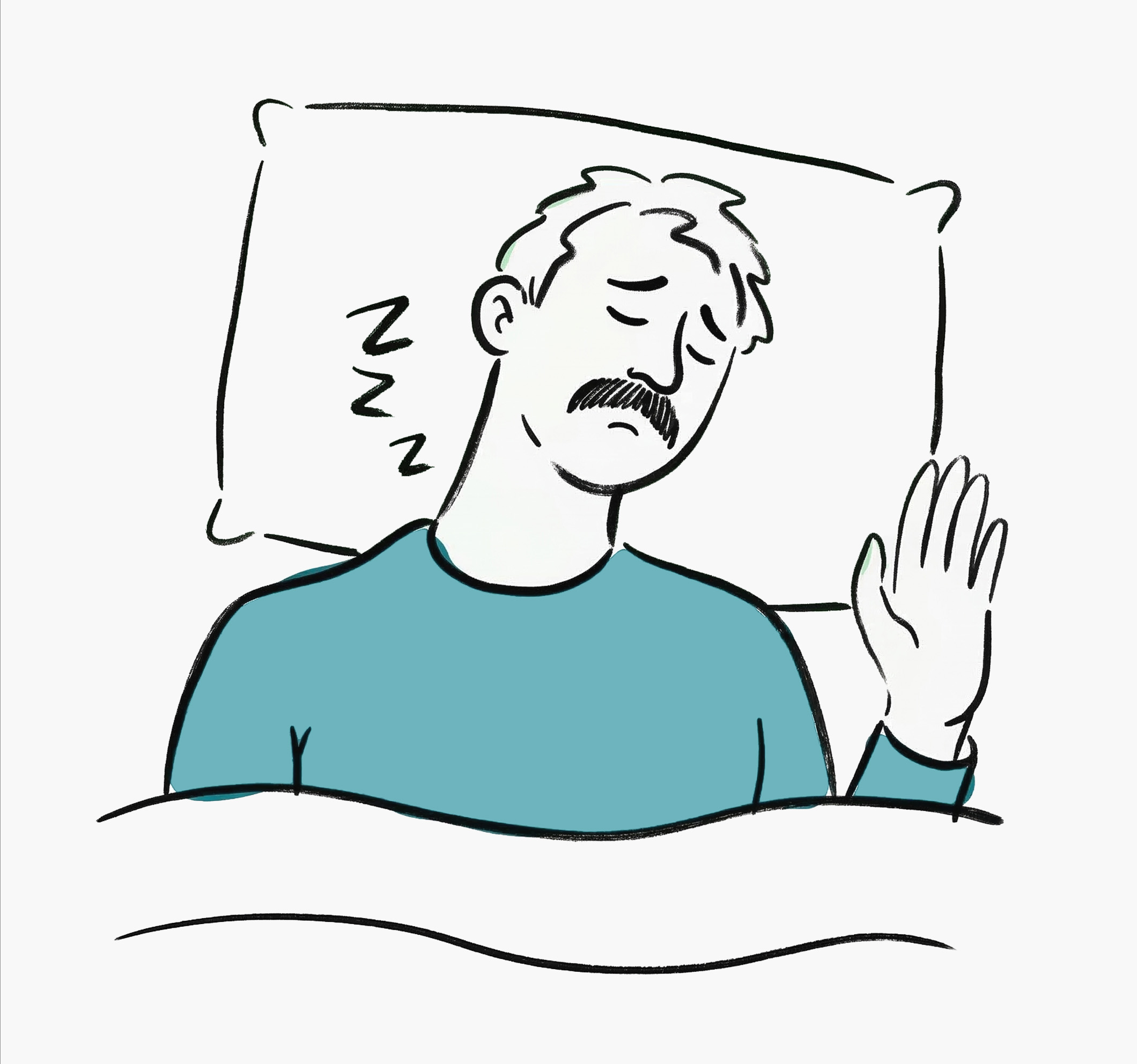



Andropause (Male Menopause): Symptoms, Age and Treatment
What andropause actually is, why 'male menopause' is a misleading name, the symptoms, what age it typically starts, and the treatment options available.
A clear, honest breakdown of TRT side effects in the UK. What's evidence-based, what's outdated, and what a properly run clinic should be monitoring. From Arc TRT.


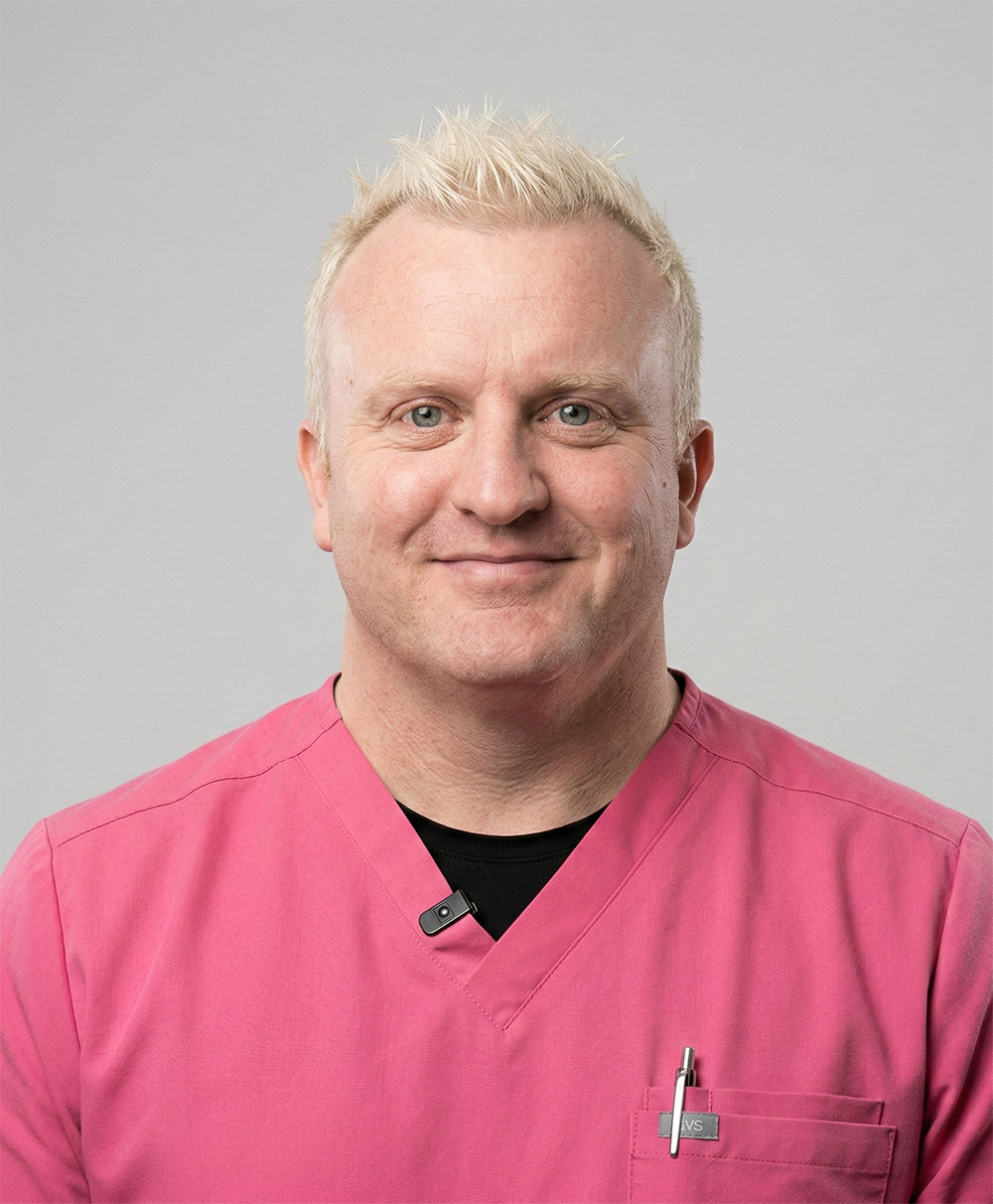
Written and medically reviewed by Dr Chris Airey, TRT Doctor at Arc TRT — BMBS MMedSc Dip ENDO, GMC 7490533. View full profile →
If you've spent any time researching testosterone replacement therapy, you've probably read some alarming things. Heart attacks. Prostate cancer. Infertility. "Roid rage." Hair falling out by the handful.
Some of it is true. Some of it is outdated science. Some of it is gym-forum folklore that refuses to die.
Here's what the actual evidence says, and what a well-run UK clinic should be monitoring on your behalf.
These are the side effects worth paying attention to. They're not reasons to avoid TRT. They're reasons to do it properly, with a clinician who runs the right blood tests at the right intervals.
Testosterone stimulates red blood cell production. In around half of men on TRT, this leads to a measurable rise in haematocrit, the percentage of red cells in your blood. Left unchecked, very high levels increase the risk of clotting.
The fix is straightforward. Regular full blood counts. Dose adjustment if levels creep up. In some cases, a blood donation. This is one of the most basic monitoring tasks in TRT, and any clinic skipping it should be questioned.
Mild acne, oilier skin, or slight water retention are common during the first few weeks as your body adjusts. They usually settle. If they don't, it's often a sign that the dose, the delivery method, or the oestrogen balance needs tweaking.
As testosterone goes up, some of it converts to oestrogen. That's normal. Problems only arise when oestrogen swings too high or is crashed too low. Older clinics used aggressive blockers that left men feeling worse. Modern practice uses micro-dosing to keep oestrogen in a comfortable, stable range.
TRT can nudge blood pressure up in some men. It's not dramatic, but it's worth knowing. Home blood pressure monitoring is one of the simplest, cheapest things you can do to stay on top of it.
This is a real and important one. Taking exogenous testosterone tells your brain to stop signalling your testes, which slows or stops sperm production. For men who want children, this needs to be planned around before starting. HCG can help maintain testicular function, and sperm storage is also an option.
For years, men were warned that TRT increases the risk of heart attacks and strokes. The TRAVERSE trial, published in 2023, was the largest randomised controlled trial of TRT ever conducted. It involved over 5,000 men with low testosterone and pre-existing cardiovascular risk. The result: no increased risk of major cardiovascular events compared with placebo.
That doesn't mean TRT is risk-free for everyone. It means properly monitored TRT does not raise heart attack risk in the way older studies suggested.
The old "gasoline on a fire" theory, the idea that giving a man more testosterone fuels prostate cancer, has not survived modern scrutiny. There is no clinical evidence that TRT causes prostate cancer.
What is true is that men on TRT have their PSA (prostate-specific antigen) checked regularly, which means they often end up among the most carefully monitored men in the UK for prostate health.
TRT does not cause baldness on its own. What it can do is accelerate male pattern baldness in men who are already genetically predisposed. If you have a family history of hair loss and it's a concern, this is worth managing from day one rather than waiting for symptoms to appear.
At Arc TRT, we offer a full hair loss plan as part of our TRT care, because genetic predisposition is something we can identify early and treat preventively. Doing this alongside your testosterone treatment, with the same clinical team, is more effective than finding a separate provider once thinning starts.
This one belongs firmly in myth territory. Mood swings, irritability and anger are typically symptoms of low or fluctuating testosterone, not therapeutic replacement. Modern dosing, with smaller, more frequent injections, tends to make men feel more even-keeled, not less.
A clinic that takes side effects seriously will run:
Frequency matters. Baseline before starting. Six weeks in. Then every three to six months once you're stable.
If a clinic isn't running these tests, that's a red flag. The medication is only half the treatment. Monitoring is the other half.
TRT has real side effects. So does almost every effective medication. The difference between safe TRT and unsafe TRT isn't the drug itself. It's the quality of the clinical oversight around it.
If you're considering treatment, the right questions to ask aren't "what are the side effects?" but "how will you monitor for them, and how often?"
Want TRT done properly?
Arc TRT is a UK doctor-led clinic with over 3,000 patients treated. Every plan includes structured monitoring, regular bloodwork, and a doctor who actually reviews your results.
This article is for general information and does not replace personalised medical advice. Speak to a qualified clinician about your individual circumstances.
For the complete picture, see our full guide to TRT in the UK, covering eligibility, blood test thresholds, NHS and private routes, costs and monitoring. If you are still working out whether any of this applies to you, start with the symptoms of low testosterone.