


Andropause (Male Menopause): Symptoms, Age and Treatment
What andropause actually is, why 'male menopause' is a misleading name, the symptoms, what age it typically starts, and the treatment options available.
Low sex drive in men is often fixable. The lifestyle changes with the best evidence behind them, and when to investigate a hormonal cause. From Arc TRT.



Written and medically reviewed by Dr Lauren Airey, Medical Director at Arc TRT — BMBS MMedSc, GMC 7559644. View full profile →
A drop in sex drive is one of those things most men do not want to talk about, particularly with a doctor. So they live with it, hope it improves, or quietly assume it is just what happens as you get older. The reality is more nuanced. Low libido has a long list of potential causes, many of which are addressable, and a stubborn libido that does not respond to the obvious fixes is sometimes the first sign of something hormonal worth investigating.
This article walks through what is actually happening when libido drops, the lifestyle changes that have the best evidence behind them, and when it makes sense to dig deeper.
Libido is your interest in sex, which is different from your ability to perform sexually. The two often track together but they are not the same thing. A man can have a healthy libido but struggle with erections due to a vascular issue. Equally, a man can have perfect mechanical function but very little interest in initiating or thinking about sex.
This article is mainly about the first one: that genuine decline in interest, the sense that sex has dropped off your priority list, the realisation that you cannot remember the last time you felt much spontaneous desire. Some natural fluctuation is normal. Persistent decline over months or years is worth understanding.
Before you start thinking about hormones or medication, the lifestyle factors below cover most of what affects libido in healthy men. These are not glamorous interventions but they have decades of evidence behind them.
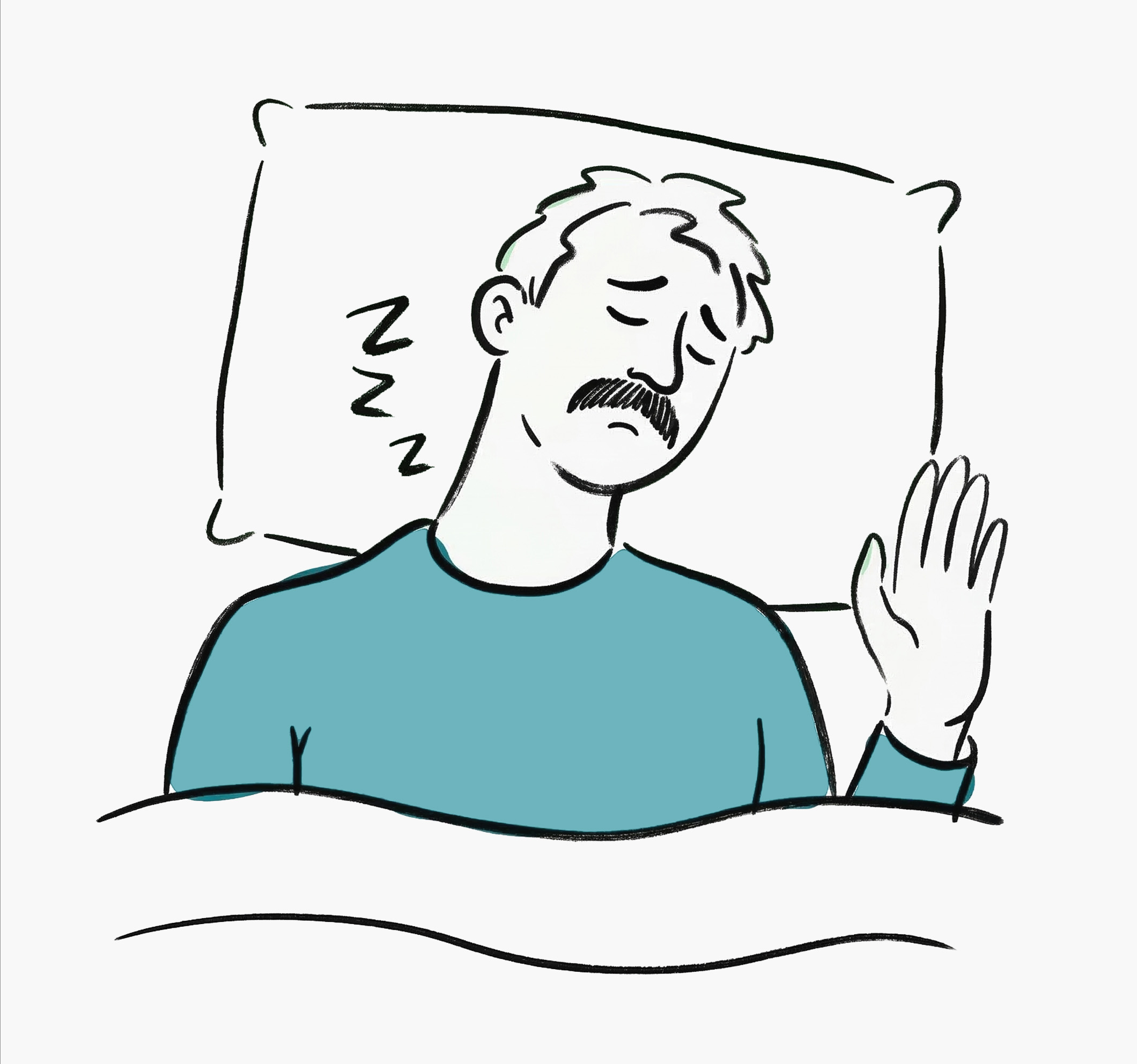
Poor sleep is probably the single most underrated libido killer. Testosterone production happens mostly during sleep, particularly during REM and deep sleep stages. Studies have shown that just one week of restricting sleep to five hours per night can reduce testosterone by 10-15 percent in healthy young men.
Beyond the hormonal effect, sleep deprivation affects mood, energy, stress tolerance, and the general bandwidth required for any interest in sex. Most men in their 30s, 40s, and 50s are not sleeping enough, and they have normalised it. Getting genuine seven-to-nine-hour nights, consistently, is the single highest-leverage change most men can make.
Chronic stress raises cortisol, which suppresses testosterone, which suppresses libido. We have written about stress and testosterone in detail elsewhere, but the short version is: if your stress has been chronically elevated for months or years, your libido is probably one of the things paying the price.
The kind of stress that matters here is not acute work pressure but the constant background hum of modern life: work that never quite switches off, financial pressure, parenting responsibilities, poor sleep, screens, no genuine downtime. Reducing chronic stress is harder than it sounds, but the libido benefit is real.
Regular alcohol consumption suppresses testosterone, disrupts sleep quality, and is a depressant. None of these support libido. Heavy or binge drinking in particular has a clear acute effect on both desire and performance.
The good news: many men report a noticeable improvement in libido within weeks of significantly reducing alcohol intake. If you have a few drinks most evenings, cutting that back is one of the simplest interventions to try.
Regular resistance training has been shown to support testosterone levels and improve libido. Heavy compound movements (squats, deadlifts, presses) particularly. Strength training two to four times per week is a sensible baseline.
The counterintuitive part: too much exercise can hurt libido. Excessive endurance training without adequate recovery is associated with reduced testosterone and lower libido in men. If you are running 50 miles a week and your libido has tanked, the volume itself may be part of the problem.
Excess body fat, particularly around the abdomen, is associated with lower testosterone. This is partly because fat tissue converts testosterone to oestrogen through an enzyme called aromatase. Losing significant abdominal weight often raises testosterone and improves libido without any other intervention.
The reverse is also true: being significantly underweight, or having extremely low body fat, can also suppress testosterone and libido. Balance matters.
Diet plays a meaningful but not magical role. Adequate protein, adequate healthy fats (testosterone is built from cholesterol), enough zinc and vitamin D, and reasonable carbohydrate intake all support hormonal health. Severe calorie restriction, very low fat diets, or chronic dieting can all suppress testosterone.
You do not need a perfect diet to have a healthy libido. You do need to not be actively undermining yourself through extreme or chronic dietary mistakes.
This one is contested in research terms but worth mentioning honestly. Some men report that heavy or compulsive pornography use seems to reduce their interest in real sex, possibly through dopamine sensitivity changes or simply through habituation. Other men report no such effect.
If you suspect this might be a factor for you, the experiment is straightforward: a meaningful break (several weeks) and see what shifts.
A few interventions get marketed heavily as libido solutions but have weak or no evidence behind them.
"Testosterone boosting" supplements. The herbal and supplement industry sells endless products promising increased testosterone. The vast majority do nothing measurable. Some have weak evidence in specific contexts. None reliably raise testosterone enough to matter clinically in men with low T.
Cold plunges, breathwork, and other biohacking. These have benefits for stress and recovery, which can indirectly help libido. But the direct effect on testosterone is small to non-existent.
Random energy drinks and "performance" products. Marketing, not medicine. Some contain stimulants that may temporarily mask symptoms of fatigue but do nothing for underlying hormonal issues.
If you have addressed the obvious lifestyle factors (sleep, stress, alcohol, exercise, weight) and your libido has not recovered, the picture may be hormonal. A few patterns make this more likely:
None of these are diagnostic on their own. But if several of them are present and lifestyle changes have not moved the needle, getting your hormones tested is a sensible next step.
If you decide to investigate the hormonal angle, the relevant tests go beyond just total testosterone. A proper blood test for low libido would typically look at:
Looking at the full picture, rather than just total testosterone, makes the difference between a useful answer and a confused one. Men sometimes get told their testosterone is "normal" when their free testosterone is low, or their prolactin is elevated, or their oestrogen is doing the suppressing.
If your blood tests show clinically low testosterone and your symptoms include low libido that has not responded to lifestyle changes, personalised TRT is one of the most reliable interventions for restoring libido in men with low T. Studies consistently show that men with low testosterone treated with appropriate TRT report meaningful improvements in sexual desire, often within the first 4-8 weeks.
The honest version: TRT is not a libido pill. If your testosterone is in the normal range and your libido is low, TRT is unlikely to help and is not the right treatment. TRT addresses low libido caused by low testosterone. That is a real condition affecting a meaningful proportion of men, but it is not the cause of every low-libido case.
The investigation tells you which group you are in.
Low libido is common, and it is usually the result of multiple overlapping factors rather than one single cause. Most men have at least two or three of the lifestyle drivers running against them at any given time. Addressing those is the right first step, and for many men it is enough.
When lifestyle changes do not move the needle, that is the signal to investigate further. A proper hormonal blood test, reviewed by a doctor who understands male hormonal health, replaces guesswork with data. From there, you know whether the answer is more lifestyle work, treatment of a specific hormonal imbalance, or whether TRT is appropriate.
The most important thing is not to live with it on the assumption that it is just what getting older feels like. Persistent low libido is worth understanding. The cause matters, and so does the fix.
Thinking about TRT?
Arc TRT is a UK doctor-led testosterone clinic that has helped over 3,000 men investigate their symptoms and, where appropriate, begin properly monitored treatment. Start with a simple at-home blood test.
This article is for general information and does not replace personalised medical advice. Speak to a qualified clinician about your individual circumstances.
For the complete picture, see our full guide to TRT in the UK, covering eligibility, blood test thresholds, NHS and private routes, costs and monitoring. If you are still working out whether any of this applies to you, start with the symptoms of low testosterone.