


Andropause (Male Menopause): Symptoms, Age and Treatment
What andropause actually is, why 'male menopause' is a misleading name, the symptoms, what age it typically starts, and the treatment options available.
Will TRT build muscle? An honest look at what testosterone therapy does for your physique, what it doesn't, and how to set realistic expectations. From Arc TRT.


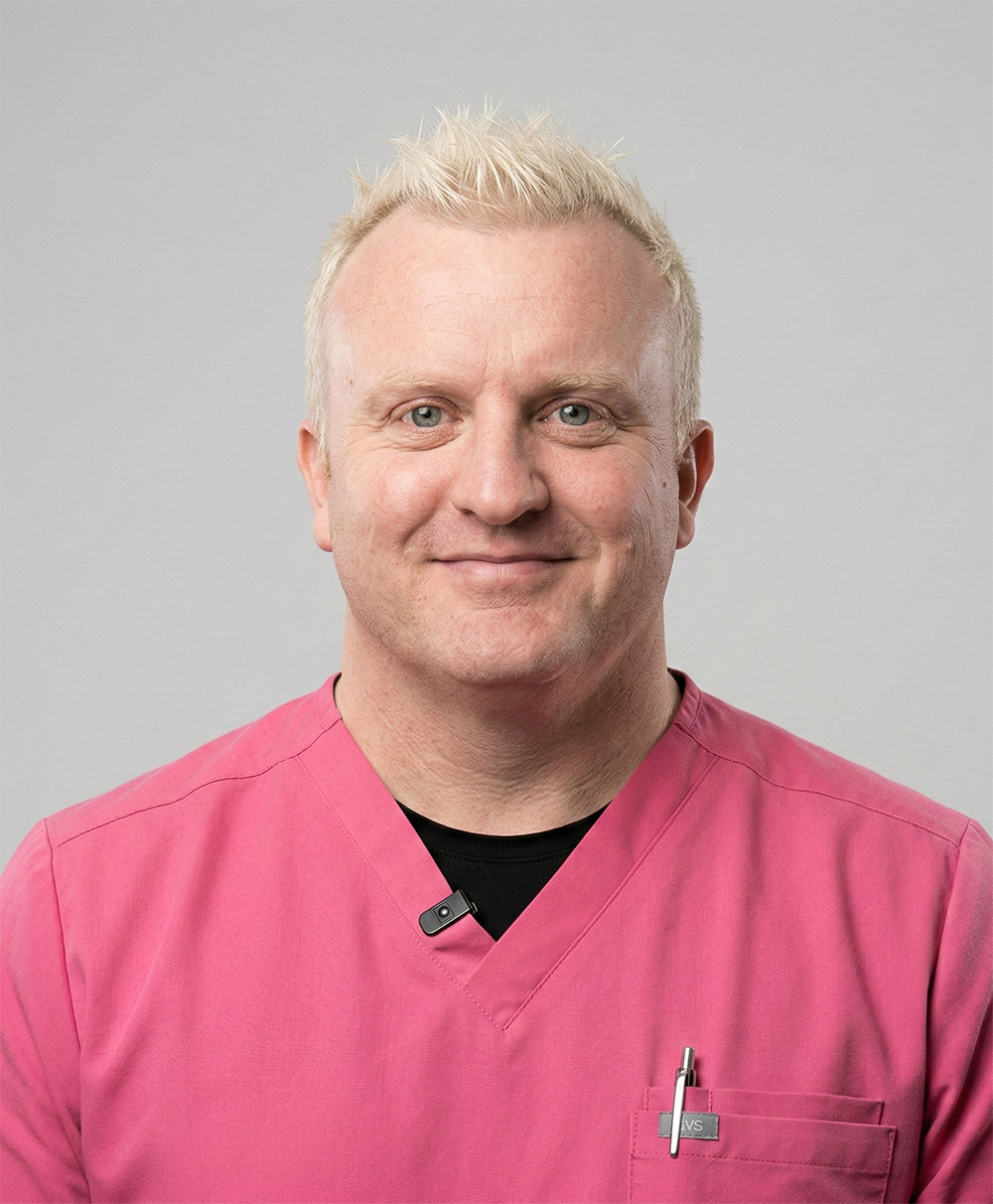
Written and medically reviewed by Dr Chris Airey, TRT Doctor at Arc TRT — BMBS MMedSc Dip ENDO, GMC 7490533. View full profile →
If you have looked into TRT, you have probably seen the before-and-after photos. Men who looked tired and soft suddenly looking lean and built. The marketing pitch is clear: get on TRT, get jacked. But the reality is more nuanced, and being honest about it matters because the wrong expectations lead to disappointment and bad decisions.
This article looks at what TRT actually does for muscle building, what it does not do, and how to set realistic expectations if you are considering treatment.
TRT will help you build muscle more effectively if you have low testosterone, and it will help you lose fat more easily. But it is not a steroid cycle. It will not transform an untrained body into a bodybuilder physique. It will not produce dramatic changes if you do not train. It is a medical treatment that restores deficient men to normal hormonal levels, not a performance enhancer that pushes you beyond them.
That distinction matters because TRT and anabolic steroids get confused constantly, and the expectations from one bleed into the other.
Testosterone is one of the most important anabolic hormones in the male body. It does several things that directly affect muscle:
When testosterone is low, all of these functions are suppressed. Men with low T often notice they cannot build muscle the way they used to, recover slower from training, and lack the drive to push hard in the gym in the first place. Restoring testosterone to normal levels reverses most of this.
The published research on testosterone and muscle is consistent. Studies in men with low testosterone show that TRT, alongside resistance training, produces:
These are real and meaningful changes. For a man whose physique has been declining year on year despite training, TRT often reverses the slide.
But here is the important context: these results come from men who were clinically low and got brought back to normal range. They are not the same as the results of someone taking supratherapeutic doses for performance.
This distinction confuses a lot of men so it is worth spelling out clearly.
TRT brings deficient men back to normal testosterone levels. Therapeutic doses typically result in total testosterone in the upper end of the normal range, perhaps 20-30 nmol/L. The effect on muscle is real but moderate.
Anabolic steroid use pushes testosterone (and often other compounds) far above natural levels. Cycles might involve doses 5-10 times higher than TRT, often stacked with other compounds. The effect on muscle is dramatically larger, but so are the side effects and risks.
The dramatic physiques you see in bodybuilding are produced by the second category, not the first. TRT will not give you the appearance of a bodybuilder because therapeutic doses do not push hormones that high.
The framing matters because some men start TRT expecting steroid-level transformations and feel disappointed when those do not materialise. The accurate expectation is: you will feel like yourself again, your training will work the way it used to, you will be able to build muscle effectively, but the changes will look like a healthier, fitter version of you rather than a different person.
This is where some men go wrong. TRT is not a passive treatment that builds muscle while you watch TV. The hormone gives you the biological capacity to build muscle and lose fat, but you still have to do the work.
If you start TRT and do not train, you will not build significant muscle. You may gain a bit of lean mass from improved baseline body composition, particularly if you were very deconditioned, but the dramatic changes require dramatic effort.
What you will likely notice without training:
What you probably will not see:
If you are starting TRT primarily to look better and you do not enjoy training, you will probably be disappointed.
If you are going to do TRT properly, training that takes advantage of restored hormones is worth understanding.
Resistance training is the foundation. Compound lifts (squats, deadlifts, presses, rows, pull-ups) hit the most muscle and produce the best hormonal response. Two to four strength sessions per week is the sweet spot for most men.
Progressive overload matters. Doing the same weight every week stops producing results regardless of your hormones. Tracking your lifts and consistently trying to add weight, reps, or sets is what drives progress.
Recovery is part of the program. Sleep, nutrition, and rest days are when muscle is actually built. TRT supports faster recovery but it does not eliminate the need for it.
Cardio is fine but not the focus. Some aerobic work supports heart health and recovery. Excessive cardio (think 8+ hours a week) can blunt some of the muscle-building benefits.
Nutrition needs to support muscle growth. Adequate protein (typically 1.6-2.2g per kg bodyweight), sufficient calories (you cannot build muscle in a large deficit), and reasonable diet quality. TRT does not override poor nutrition.
If you have started TRT and are training properly, what should you expect?
First 4-6 weeks: Energy and mood usually improve first. Training feels easier. Recovery improves. Visible body changes are minimal.
Months 2-4: Strength typically starts increasing. Body composition starts shifting, often with some abdominal fat reduction. Some lean mass gain begins.
Months 4-9: Significant strength gains for most men. Visible muscle gain becomes noticeable. Body composition changes are more apparent.
Months 9-18: Most of the major body composition changes happen in this window. Strength continues progressing if training is consistent.
Beyond 18 months: Continued slow progress depending on training, nutrition, and consistency. The dramatic phase tapers, but the new baseline holds.
These are rough averages. Individual response varies based on starting condition, age, training history, genetics, and how well the rest of life supports the work.
Some men want TRT because they want to build muscle, not because they have low testosterone. Worth being honest here.
If your testosterone is in the normal range and you want to use TRT as a muscle-building aid, that is not what TRT is for. You would be using a medical treatment for non-medical reasons, with all the same monitoring requirements and lifelong commitment that genuine TRT requires. The muscle-building benefit at normal-to-high range is modest, not dramatic.
The men who get the most out of TRT for muscle are those who were already deficient. Restoring them to normal range gives them back capacity they had lost. For men with already-normal testosterone, the gains from TRT are much smaller and not usually worth the medical commitment.
If you want dramatic muscle gains and your testosterone is fine, the honest answer is: train harder, eat better, sleep more, and be patient. Or, if you go a different route, understand that you are entering steroid territory with all the risks that come with it. That is not what Arc TRT does.
If you have low testosterone, low energy, and you want to get back into the gym effectively, a sensible path looks like:
This is the difference between TRT as proper medical treatment and TRT as a vague performance shortcut. The first works and is sustainable. The second leads to mistakes.
TRT can help you build muscle, but only if you have low testosterone, and only if you train. It will not produce steroid-level transformations. It will restore your capacity to build muscle the way you used to, and over months and years that adds up to meaningful change in how you look and feel.
If your testosterone is genuinely low and you are willing to do the work in the gym and at the dinner table, TRT is one of the most effective interventions available. If you are looking for a shortcut around training, it is not what you think it is.
The starting point, as always, is finding out what your actual hormone levels look like. From there, the conversation about whether TRT is right for you becomes meaningful rather than speculative.
Thinking about TRT?
Arc TRT is a UK doctor-led testosterone clinic that has helped over 3,000 men investigate their symptoms and, where appropriate, begin properly monitored treatment. Start with a simple at-home blood test.
This article is for general information and does not replace personalised medical advice. Speak to a qualified clinician about your individual circumstances.
For the complete picture, see our full guide to TRT in the UK, covering eligibility, blood test thresholds, NHS and private routes, costs and monitoring. If you are still working out whether any of this applies to you, start with the symptoms of low testosterone.