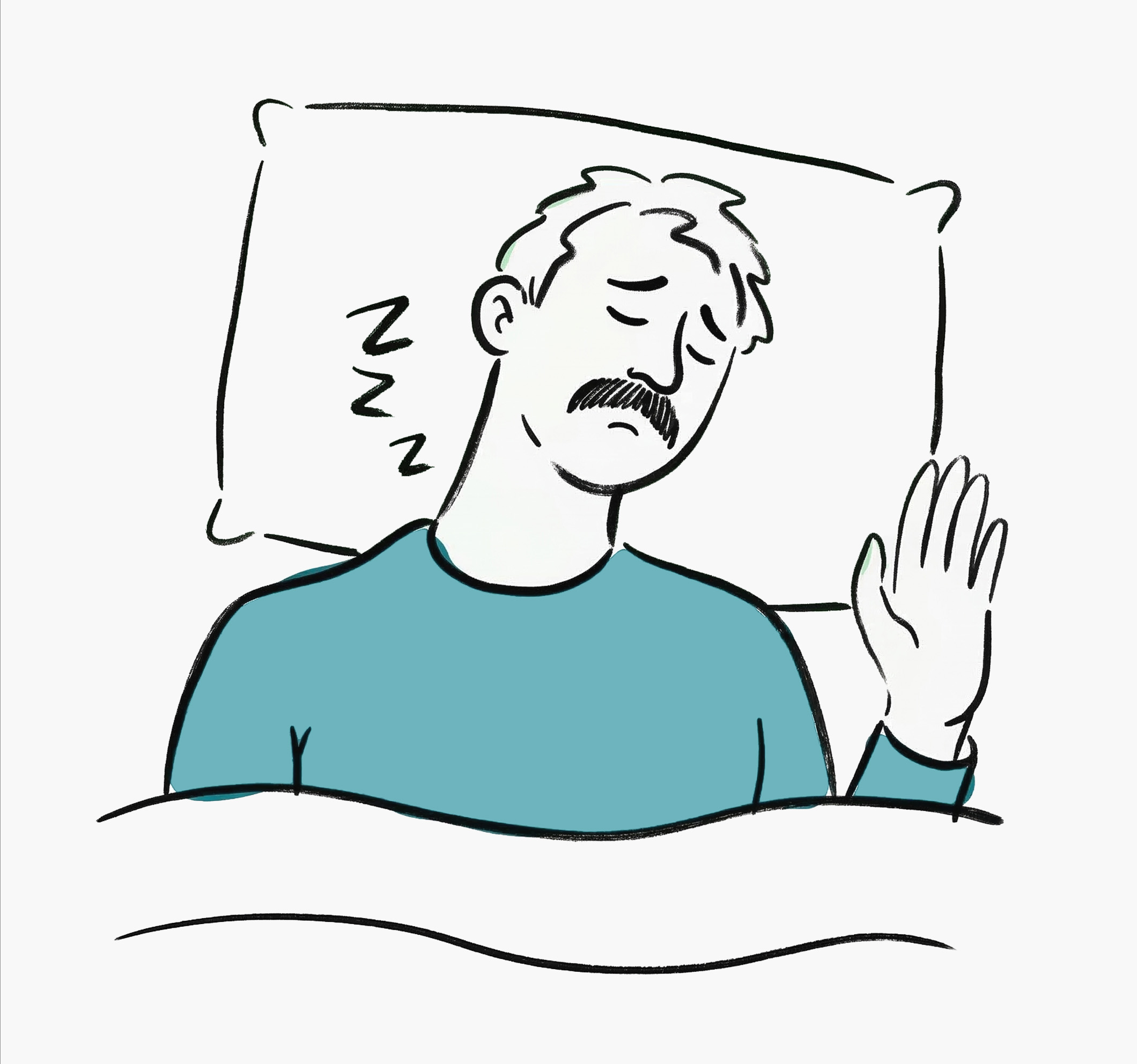



Andropause (Male Menopause): Symptoms, Age and Treatment
What andropause actually is, why 'male menopause' is a misleading name, the symptoms, what age it typically starts, and the treatment options available.
TRT myths vs facts. What the clinical evidence actually says about cancer, fertility, heart risk and more, including the latest research. From Arc TRT.


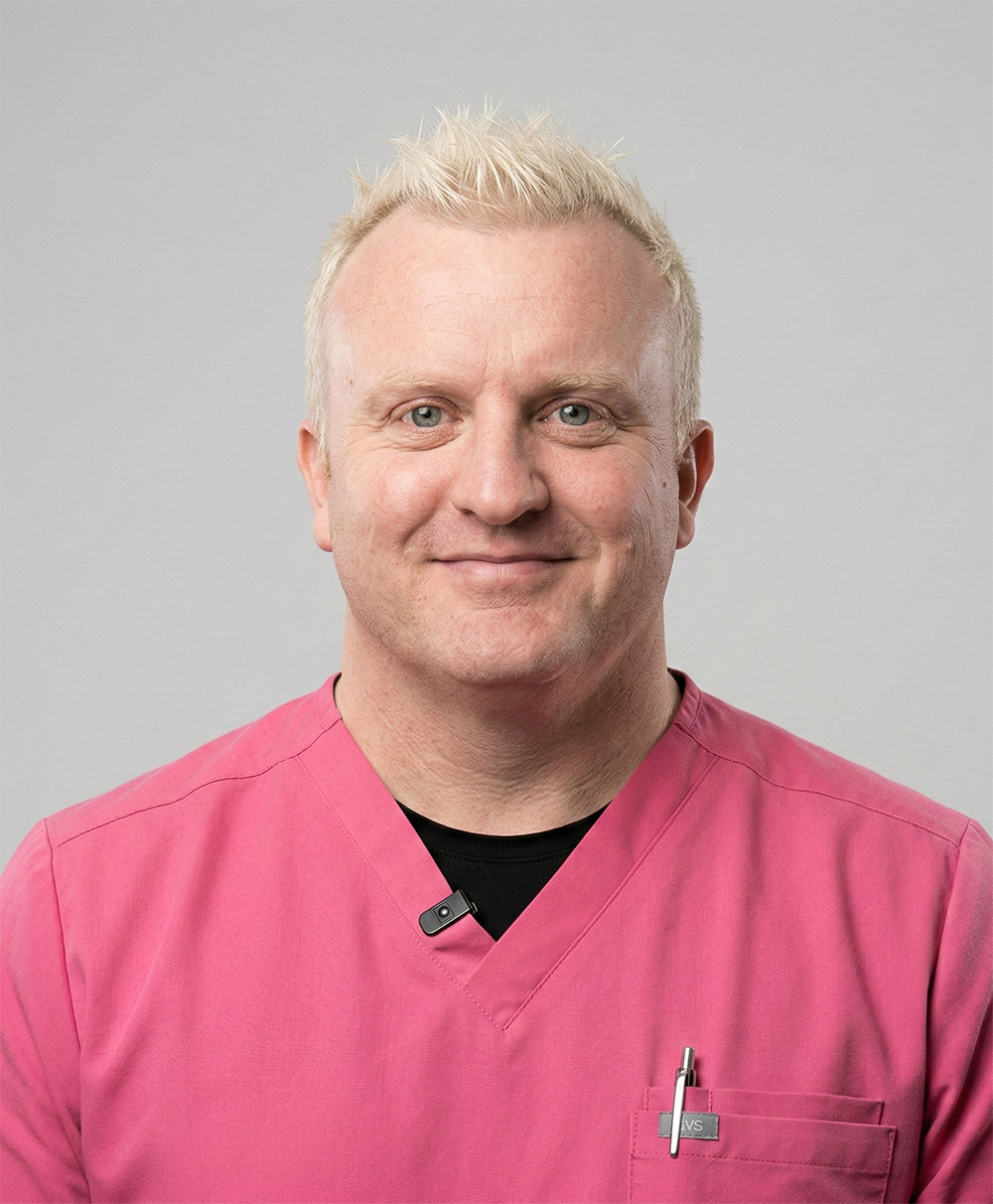
Written and medically reviewed by Dr Chris Airey, TRT Doctor at Arc TRT — BMBS MMedSc Dip ENDO, GMC 7490533. View full profile →
If you have been thinking about testosterone replacement therapy, you have probably already encountered the contradictions. One source tells you it gives you cancer. Another tells you it cures everything. One forum thread warns you it destroys your fertility forever. Another claims it is the secret behind every successful man over 40.
Most of these claims are not true, or are technically true but missing crucial context. This article works through the most common TRT myths and explains what the actual clinical evidence says, including the most recent research that has changed how doctors think about TRT safety.
Fact: Testosterone replacement therapy is completely legal in the UK when prescribed by a qualified doctor.
This confusion comes from two places. First, testosterone is misused by some athletes and bodybuilders, and that use is what people sometimes hear about in the news. Second, importing testosterone or buying it without a prescription is illegal, which gets blurred into "testosterone is illegal."
For its actual medical use, treating hypogonadism (clinically low testosterone) under the supervision of a UK GMC-registered doctor, TRT is entirely legal and well-established. It has been part of mainstream medicine for decades. The question is not whether it is legal but whether it is appropriate for you, which is what a proper consultation and blood test establishes.
Fact: The largest study ever conducted (TRAVERSE, 2023) found TRT did not increase cardiovascular risk in men with low testosterone.
This is the most important update to the TRT evidence base in years. For a long time, doctors and patients worried about whether TRT increased the risk of heart attacks or strokes. The concern was real and based on earlier studies with mixed findings.
In 2023, the TRAVERSE study published in the New England Journal of Medicine settled much of this. The study followed 5,200 men with hypogonadism over 33 months and compared TRT against placebo. The result: no increased risk of major adverse cardiovascular events. This has changed how doctors discuss TRT safety with patients.
That does not mean TRT is risk-free for everyone. Men with significant cardiovascular history or current heart conditions still need careful assessment. But the headline concern that simply being on TRT damages your heart is no longer supported by the best available evidence.
Fact: Current research shows no evidence that medically-supervised TRT increases prostate cancer risk in men with low testosterone.
This myth comes from a misreading of much older research. The original theory, dating back decades, was that testosterone "fuels" prostate cancer, so giving men more testosterone must increase cancer risk. The clinical evidence has not borne this out.
A 2023 study published in JAMA Network Open, following over 5,000 men, confirmed earlier research showing no increased prostate cancer risk in men receiving TRT for hypogonadism compared to those not on TRT. Harvard Health Publishing has summarised this evidence clearly.
There are important caveats. Men who already have prostate cancer should not start TRT. Men with significantly elevated PSA need investigation before starting. Anyone on TRT should have regular PSA monitoring. These are reasons to do TRT properly with a doctor, not reasons to avoid it altogether.
Fact: TRT can support muscle growth but does not produce bodybuilder physiques without serious training.
This myth blurs the line between TRT (restoring deficient men to normal testosterone levels) and anabolic steroid use (pushing levels well above normal for performance). They are different in dose, intent, and effect.
TRT brings testosterone back into the normal range, often the upper end of normal. This can support muscle protein synthesis, recovery, and gym performance. Men on TRT often find they can build muscle more effectively than they could before, and lose body fat more easily.
But TRT will not turn you into a bodybuilder. The dramatic physiques associated with steroid use require: testosterone doses far higher than therapeutic levels, often combined with other compounds; extreme training intensity and volume; precise nutrition; and years of consistent effort. TRT at proper therapeutic doses does none of these things on your behalf.
If you are not training and not paying attention to diet, TRT will not transform your body composition. It will just help you feel more like yourself.
Fact: TRT is associated with improved mood and reduced irritability in men with low testosterone, not increased aggression.
The aggression myth, often called "roid rage", is again a confusion between TRT and high-dose anabolic steroid abuse. There is some evidence that very high doses of testosterone, far above therapeutic ranges, can affect mood in some users. Therapeutic TRT does not.
What men with low testosterone often report after starting TRT is the opposite: reduced irritability, improved mood, better stress tolerance, and a sense of being less "snappy." This makes sense biologically. Low testosterone is associated with low mood and depression-like symptoms. Restoring normal testosterone levels often improves mood, not the reverse.
Fact: TRT does suppress natural sperm production, but fertility can usually be preserved with the right protocol.
This one is partly true and partly avoidable. When you take exogenous testosterone, your body's natural production shuts down. The signalling that tells your testes to produce both testosterone and sperm gets switched off. So yes, standard TRT alone significantly reduces sperm production and can cause temporary infertility.
But this is manageable. Adding HCG (human chorionic gonadotropin) alongside TRT keeps the natural signalling pathway active, which preserves both sperm production and testicular function. For men who want to maintain fertility while on TRT, this combination is the standard approach.
For men planning to start a family in the near future, sperm banking before starting TRT is a sensible additional safety net. The fertility implications of TRT are real but they are not an unavoidable consequence of treatment. They are a planning conversation to have with your doctor at the start.
Fact: TRT alone can cause testicular atrophy, but adding HCG to the protocol prevents this.
Same underlying mechanism as the fertility issue. When natural testosterone production shuts down, the testes have less work to do, so they reduce in size. This is testicular atrophy, and it does happen to men on TRT-only protocols.
The solution is the same: HCG alongside TRT keeps the testes active, which prevents atrophy. Many UK clinics, including Arc TRT, use HCG as standard for men who want to maintain testicular function. If you have heard horror stories about testicular shrinkage, they almost certainly relate to TRT-only protocols without HCG.
Fact: TRT can improve erectile function in men with low testosterone, but ED has many causes and TRT is not always the answer.
Erectile dysfunction is complex. It can be caused by: cardiovascular issues, diabetes, medication side effects, psychological factors, relationship issues, alcohol, sleep problems, and yes, low testosterone. The first step is figuring out which.
If low testosterone is a contributor (the symptoms often cluster: low libido, fatigue, weak erections), TRT can help. But if the underlying cause is vascular disease, or psychological, or medication-related, TRT may make little difference. A proper assessment looks at the whole picture rather than assuming testosterone is the answer.
A reasonable rule of thumb: if your sex drive has dropped along with your erections, low testosterone is more likely involved. If your sex drive is fine but your erections are not, the cause is more likely elsewhere.
Fact: TRT does not directly cause hair loss, but it can accelerate male pattern baldness in men who are genetically predisposed.
Male pattern baldness is driven by DHT (dihydrotestosterone), a testosterone derivative. Men who carry the genes for male pattern baldness experience hair loss when DHT acts on their hair follicles. Higher testosterone can mean more DHT, which can mean faster hair loss in susceptible men.
If you have no family history of baldness and no current thinning, TRT is unlikely to cause hair loss. If you have already started to thin, or your father and uncles are bald, TRT may accelerate the process.
This is manageable. Medications like finasteride and minoxidil work alongside TRT to prevent or slow hair loss. Arc TRT can prescribe these alongside your TRT protocol if hair loss is a concern.
Fact: Testosterone does decline with age, but suffering with low T symptoms is a choice once treatment is available.
Average testosterone levels do decline with age, by roughly 1-2 percent per year after 30. For some men this stays within the normal range and produces no significant symptoms. For others, it drops into clinically low territory and produces real symptoms that affect quality of life.
The "just live with it" framing makes sense if there is no treatment available. But TRT exists, it works, and the evidence shows it is safe when done properly. Choosing whether or not to treat is a personal decision. Pretending the choice does not exist because "this is just ageing" misses what modern medicine actually offers.
There is also a population-level story here. Average male testosterone levels have been measurably declining for decades, even when controlling for age. The reasons are debated (environmental, lifestyle, obesity-related, stress-related) but the trend is real. Today's 40-year-old often has measurably lower testosterone than his father did at the same age.
TRT has more myths than most medical treatments because it sits at the intersection of medicine, masculinity, and sport. People bring their assumptions to it before they engage with the evidence. The actual evidence is now reasonably clear: medically supervised TRT is safe for most men with low testosterone, the cardiovascular and cancer concerns are no longer well-supported by the data, and the side effects that do exist are largely manageable with the right protocol.
If you have low testosterone symptoms and are wondering whether TRT might help, the first step is finding out what your actual levels are. A comprehensive blood test, reviewed by a UK GMC-registered doctor, replaces speculation with data. From there, whether personalised TRT is right for you is a conversation between you and a clinician who looks at the full picture.
Thinking about TRT?
Arc TRT is a UK doctor-led testosterone clinic that has helped over 3,000 men investigate their symptoms and, where appropriate, begin properly monitored treatment. Start with a simple at-home blood test.
This article is for general information and does not replace personalised medical advice. Speak to a qualified clinician about your individual circumstances.
For the complete picture, see our full guide to TRT in the UK, covering eligibility, blood test thresholds, NHS and private routes, costs and monitoring. If you are still working out whether any of this applies to you, start with the symptoms of low testosterone.