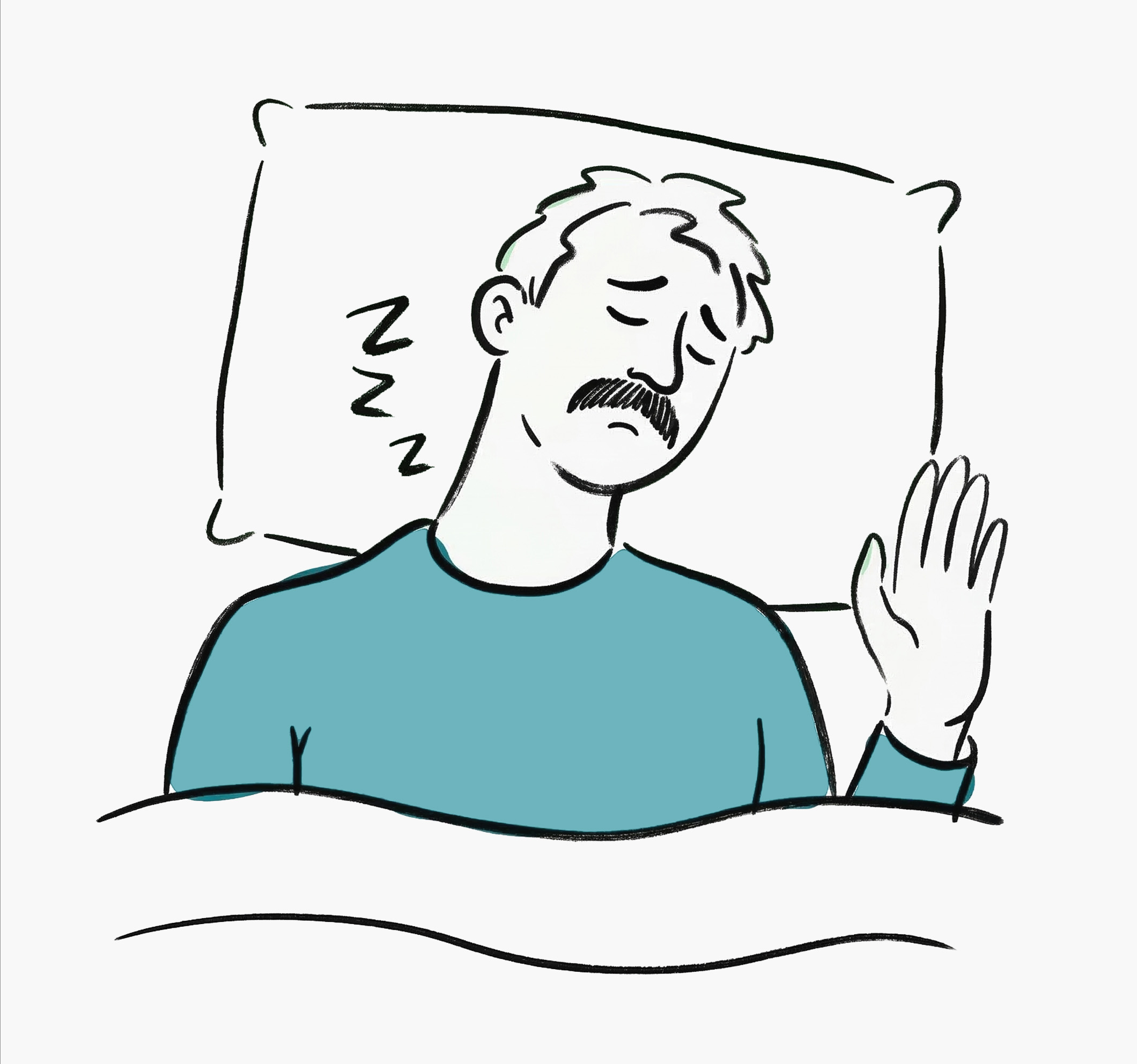



Andropause (Male Menopause): Symptoms, Age and Treatment
What andropause actually is, why 'male menopause' is a misleading name, the symptoms, what age it typically starts, and the treatment options available.
Why are so many high-profile men talking about TRT? A look at the cultural shift around testosterone, what's driving it, and what it means. From Arc TRT.


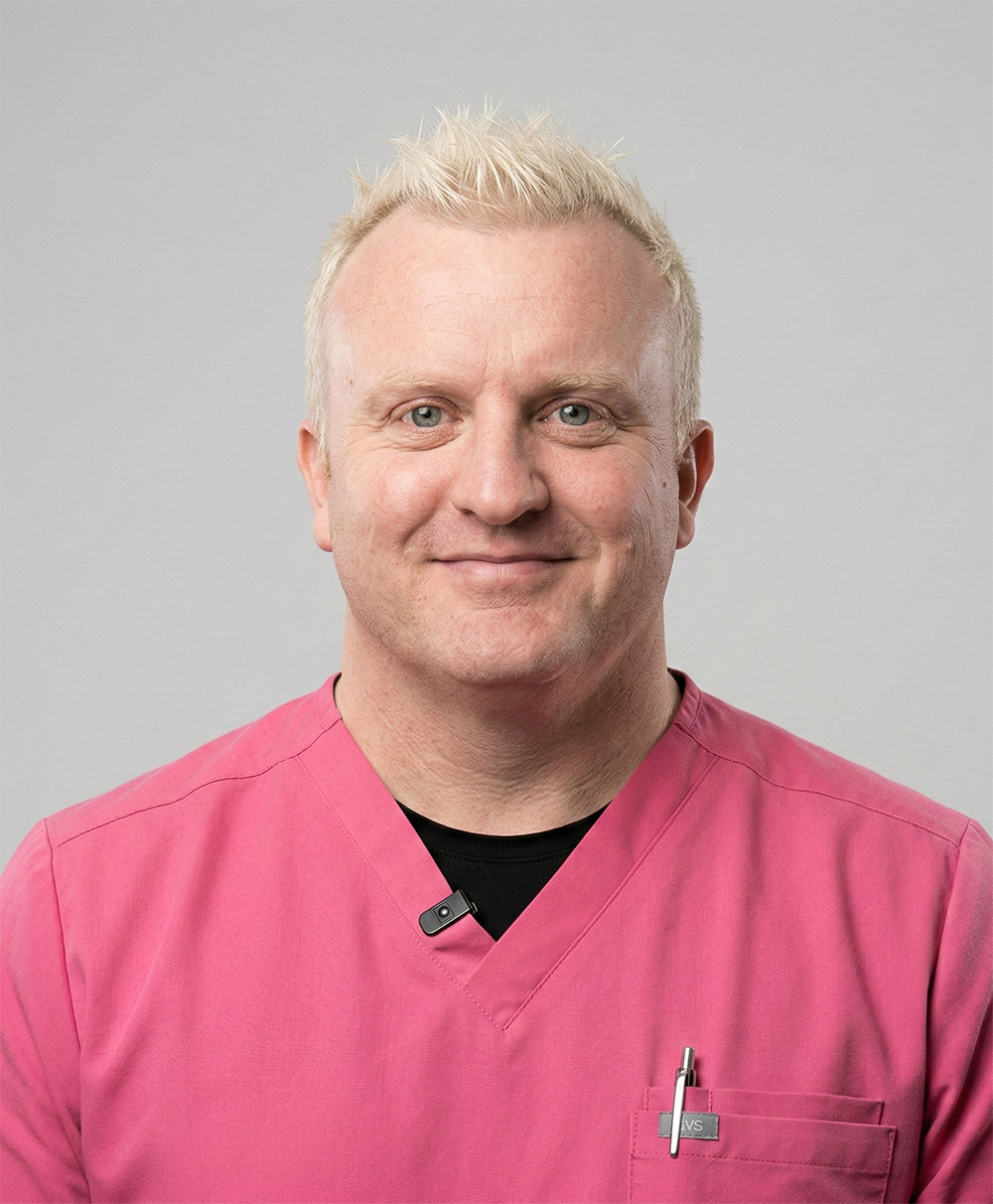
Written and medically reviewed by Dr Chris Airey, TRT Doctor at Arc TRT — BMBS MMedSc Dip ENDO, GMC 7490533. View full profile →
For decades, testosterone replacement therapy sat quietly in the medical background. It existed, it worked, but no one talked about it. Men experiencing low energy, brain fog, weight gain, or a fading libido in their 40s and 50s tended to push through, write it off as ageing, or never connect the symptoms to their hormones at all.
That has changed. In the last few years, a wave of high-profile men have spoken openly about using TRT, what it has done for them, and why they think the conversation needs to happen. The result is a quiet cultural shift. Men's hormonal health, which used to be a fringe medical topic, is now part of mainstream conversation.
This article looks at why that shift is happening, what these public conversations tell us, and what to take from them if you are wondering about your own testosterone levels.
To be clear up front: this article is not a list of celebrities we are claiming use TRT. Arc TRT does not comment on any individual's private medical treatment, and we encourage anyone considering TRT to seek qualified medical advice rather than taking their cues from public figures.
What we can talk about is what people have said themselves, publicly, on the record. Joe Rogan has discussed his use of testosterone replacement on his podcast over many years, describing how it changed his energy, training, and mood. Several other public figures, from athletes to entrepreneurs to writers, have spoken about their experience with TRT in interviews, books, and on social media.
The pattern is what is interesting. These conversations have moved TRT from being something men did privately and quietly to something successful men talk about as part of how they look after themselves.
When public figures talk about their own health, it shifts what feels permissible to ask about. For decades, men were socialised to push through symptoms, not discuss them, and definitely not seek medical help unless something was visibly broken. Low testosterone produces symptoms that men have been taught to write off: tiredness, mood changes, low motivation, weight gain, weaker performance in the gym, less interest in sex.
When men in their 40s, 50s, and 60s hear other men talk publicly about recognising those symptoms in themselves, getting them investigated, and addressing them with proper medical treatment, the conversation suddenly opens up. It becomes normal to ask "could this be a hormone issue" rather than just "is this what getting older feels like".
That normalisation is good for men's health. The most concerning thing about low testosterone is not the symptoms themselves; it is how many men live with them for years without ever finding out they could be treated.
Public conversation is helpful for breaking taboos but is not the same as clinical evidence. So what does the research actually say about TRT?
The most significant recent piece of research is the TRAVERSE study, published in the New England Journal of Medicine in 2023. It followed 5,200 men with low testosterone over 33 months and compared TRT against placebo. The headline finding: TRT did not increase the risk of cardiovascular events (heart attack, stroke, or cardiovascular death) in men with hypogonadism. This addressed one of the biggest historical concerns about TRT and gave doctors and patients a much clearer evidence base.
The Endocrine Society and the British Society for Sexual Medicine both now provide clear clinical guidance on identifying and treating low testosterone in men. The treatment is well-established, with decades of clinical experience behind it.
What public conversation has done is bring this evidence to the surface, where men can actually find it.
A few themes recur in how high-profile men describe their experience with TRT. They are worth noting because they line up with what good clinical practice looks like.
It is not about getting "high" testosterone, it is about being in the right range. Men who talk about TRT well do not describe wanting superhuman levels. They describe wanting to feel like themselves again, with energy and focus and physical capacity that does not feel like a daily struggle.
It is paired with the rest of their health. TRT alone is not a magic fix. The men who talk about it positively tend to also talk about training, sleep, nutrition, and stress. TRT works best as one piece of a broader approach to health.
It is doctor-led. The serious public conversations about TRT make clear it is a medical treatment, requires bloods, requires monitoring, and is not something to source informally. This is correct. TRT done properly is monitored treatment, not a supplement.
Not every public claim about TRT is helpful. Worth being honest about that too.
Some public discussion blurs the line between testosterone replacement therapy (used to bring deficient men back to normal levels) and steroid use (used to push performance and physique beyond normal). These are different things, with very different medical contexts and risks. TRT prescribed and monitored by a doctor is not the same as off-the-shelf anabolic use.
Some public figures imply faster or bigger results than most patients experience. The honest version is that energy and mood often start improving within 4-6 weeks, body composition changes happen over 3-6 months, and the full benefits accumulate over a year or more. Anyone promising dramatic transformations in days is overselling.
Some men talk about TRT as if it is a one-time decision rather than an ongoing relationship with a clinician. In reality, TRT is best thought of as an ongoing partnership: blood tests, reviews, dose adjustments, and watching for side effects that need managing. The clinical part is not optional.
If hearing other men talk openly about TRT has prompted you to wonder whether your own symptoms could be hormonal, that is a useful first step. Symptoms worth paying attention to include persistent fatigue that does not improve with rest, low mood or motivation, weight gain (particularly around the middle) despite no change in diet or exercise, reduced sex drive, difficulty building or maintaining muscle, brain fog, and poor sleep.
None of these are diagnostic on their own. Many things can cause them. But if several have crept in over the last few years and you are in your late 30s or older, a proper testosterone blood test is the simplest way to know whether your hormones are part of the picture.
At Arc TRT, that is the starting point we recommend: a comprehensive blood test, reviewed by a UK GMC-registered doctor, looking at total and free testosterone, SHBG, oestrogen, thyroid, and the other markers that build a full hormonal picture. If your levels are normal, you have answers and can investigate other causes. If they are low, you have a clear path to consider personalised TRT with proper medical oversight.
The shift in public conversation has done one useful thing: it has made it easier for men to ask the question. The next step, if you have it on your mind, is to actually find out the answer.
Article reports on publicly available statements by named individuals. Arc TRT does not endorse or comment on any individual's medical treatment.
Thinking about TRT?
Arc TRT is a UK doctor-led testosterone clinic that has helped over 3,000 men investigate their symptoms and, where appropriate, begin properly monitored treatment. Start with a simple at-home blood test.
This article is for general information and does not replace personalised medical advice. Speak to a qualified clinician about your individual circumstances.
For the complete picture, see our full guide to TRT in the UK, covering eligibility, blood test thresholds, NHS and private routes, costs and monitoring. If you are still working out whether any of this applies to you, start with the symptoms of low testosterone.