



There is no single symptom that confirms testosterone deficiency, and no symptom that rules it out. What tends to happen instead is a cluster: energy drops, motivation fades, training stops producing results, and sleep stops being restorative. Individually each one has a dozen explanations. Together, in a man under fifty, they are worth investigating properly.
Below are the nine symptoms we see most often at Arc. Each one links to a fuller explanation of why it happens and what treatment does or does not change about it.
-
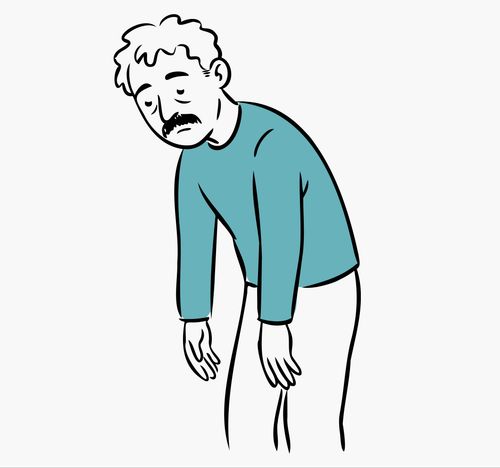
Low energy
Tiredness that a full night's sleep does not fix.
Read more→ -
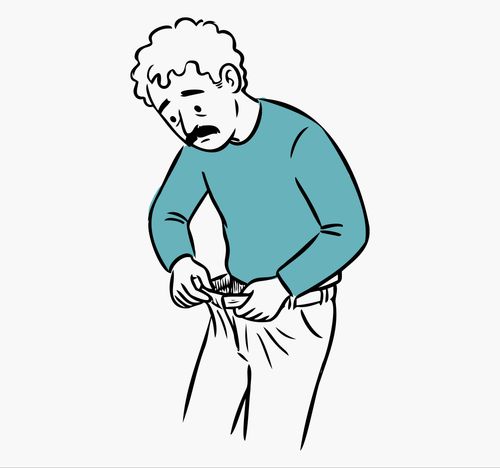
Reduced sex drive
One of the symptoms most specifically tied to testosterone.
Read more→ -
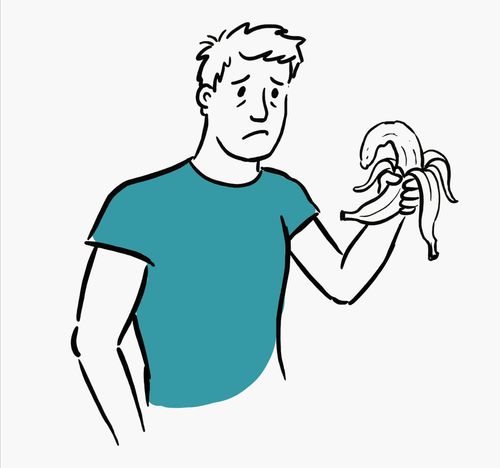
Erectile difficulty
Particularly when desire itself is unchanged.
Read more→ -
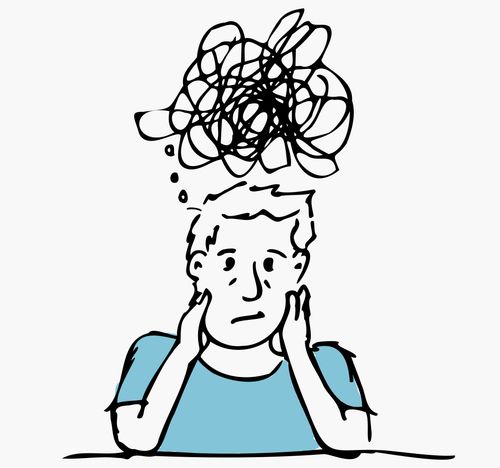
Brain fog
Losing the thread mid-sentence, rereading the same paragraph.
Read more→ -
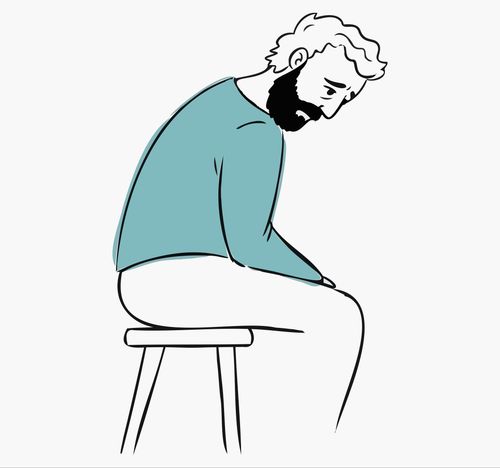
Low mood
Flatness and irritability rather than sadness.
Read more→ -
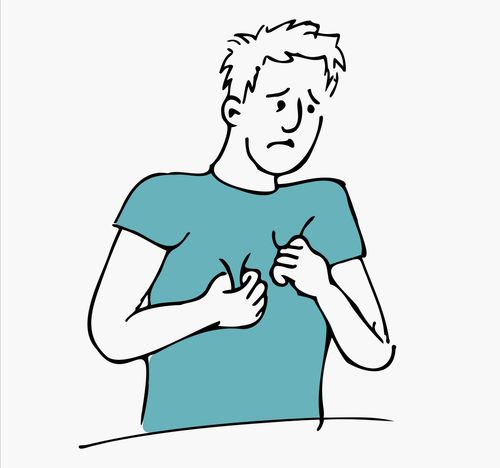
Anxiety
A shorter fuse and less tolerance for ordinary stress.
Read more→ -
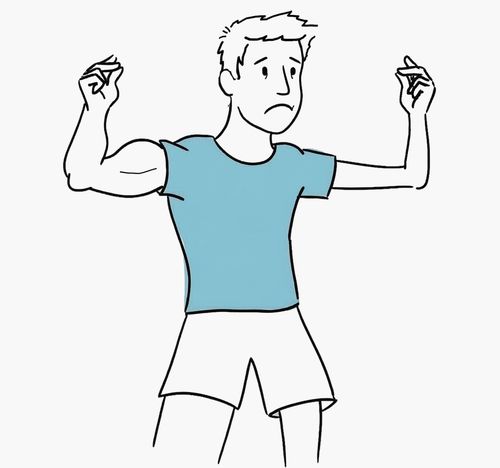
Loss of muscle mass
Strength sliding despite training that has not changed.
Read more→ -
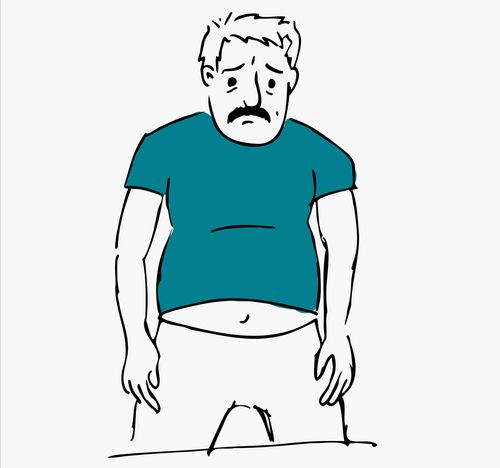
Weight gain
Fat settling around the middle, resistant to the usual fixes.
Read more→ -
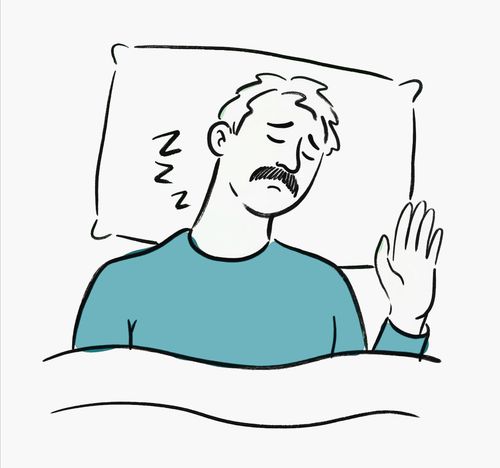
Poor sleep
Waking unrefreshed, or waking repeatedly through the night.
Read more→
Which symptoms point most strongly to testosterone
Not all nine carry equal weight diagnostically. Three are considered relatively specific to testosterone deficiency, meaning they are less easily explained by something else.
| Symptom | Specificity |
|---|---|
| Reduced morning erections | High |
| Low sexual desire | High |
| Loss of body hair | High |
| Erectile difficulty | Moderate |
| Loss of muscle mass | Moderate |
| Central weight gain | Moderate |
| Fatigue | Low, many other causes |
| Low mood and irritability | Low, many other causes |
| Poor concentration | Low, many other causes |
Low specificity does not mean a symptom is unimportant. Fatigue and low mood are usually what actually drive a man to seek help. It means those symptoms alone cannot diagnose anything, and that a proper assessment has to rule out the alternatives.
When the symptoms are not testosterone
Several conditions produce almost exactly this picture, and some of them are more common than testosterone deficiency. A responsible assessment tests for them at the same time rather than assuming.
- Thyroid disease. Underactive thyroid causes fatigue, weight gain, low mood and cold intolerance.
- Iron deficiency. Common, easily missed in men, and a frequent cause of exhaustion.
- Obstructive sleep apnoea. Produces unrefreshing sleep and daytime fatigue, and independently suppresses testosterone, so it can be both cause and mimic.
- Depression. Overlaps substantially with low testosterone and needs its own assessment rather than being treated as a hormone problem by default.
- Type 2 diabetes and insulin resistance. Strongly associated with low testosterone in both directions.
- Vitamin D deficiency. Widespread in the UK and contributes to fatigue and low mood.
This is why a single testosterone reading is not an assessment. A defensible panel measures thyroid function, full blood count, ferritin, HbA1c and vitamin D alongside your hormones, precisely so these can be found rather than missed.
It should also measure oestradiol, which NHS testosterone panels routinely leave out entirely. Oestrogen matters in men, and without a baseline there is nothing to compare against if symptoms change later.
What happens next if you recognise yourself here
Many men struggle to name any of this individually and describe it instead as a loss of mojo. It sounds imprecise, and it is actually one of the more accurate descriptions of a cluster of psychological changes that are hard to separate one from another.
Symptoms are the reason to test, not the diagnosis. UK guidance requires two separate fasting blood samples taken before 11am, because testosterone peaks in the early morning and an afternoon reading can be several nmol/L lower in the same man on the same day.
Those samples also need to include SHBG, so free testosterone can be calculated. A man with high SHBG can have a total testosterone that looks acceptable and a free testosterone that is frankly deficient. Without SHBG, that man is told he is normal and sent home. As a working figure, a calculated free testosterone at or below roughly 0.3 nmol/L supports treatment even where the total looks fine.
The full picture, including the 8 and 12 nmol/L thresholds, the NHS and private routes and what treatment actually involves, is set out in our guide to TRT in the UK.
Common questions
What are the first signs of low testosterone?
Most men notice reduced drive and motivation before anything else, followed by fatigue that sleep does not resolve and fewer spontaneous morning erections. Physical changes such as loss of muscle and central weight gain usually come later.
At what age do symptoms of low testosterone start?
There is no set age. Testosterone declines gradually from around thirty, but symptomatic deficiency is not simply a function of age. We see men in their late twenties with clearly low levels and men in their sixties with none of these symptoms at all.
Can you have low testosterone with no symptoms?
Yes, and treatment is generally not appropriate in that case. Current UK guidance treats symptomatic deficiency, not a number in isolation.
How do I know if it is low testosterone or depression?
You cannot tell from symptoms alone, because they overlap heavily. The distinction is made with blood tests alongside a proper assessment of mood. Both can be present at once, and treating one while ignoring the other rarely works.
Do symptoms improve on TRT, and how quickly?
Most men notice something within about three weeks, usually libido and mood. Energy typically follows by six to eight weeks. The full picture, including body composition, lands somewhere between three and six months. The first six to twelve weeks are a titration period rather than a verdict.