



TRT Symptoms
This guide outlines the common symptoms of low testosterone and what to look out for.
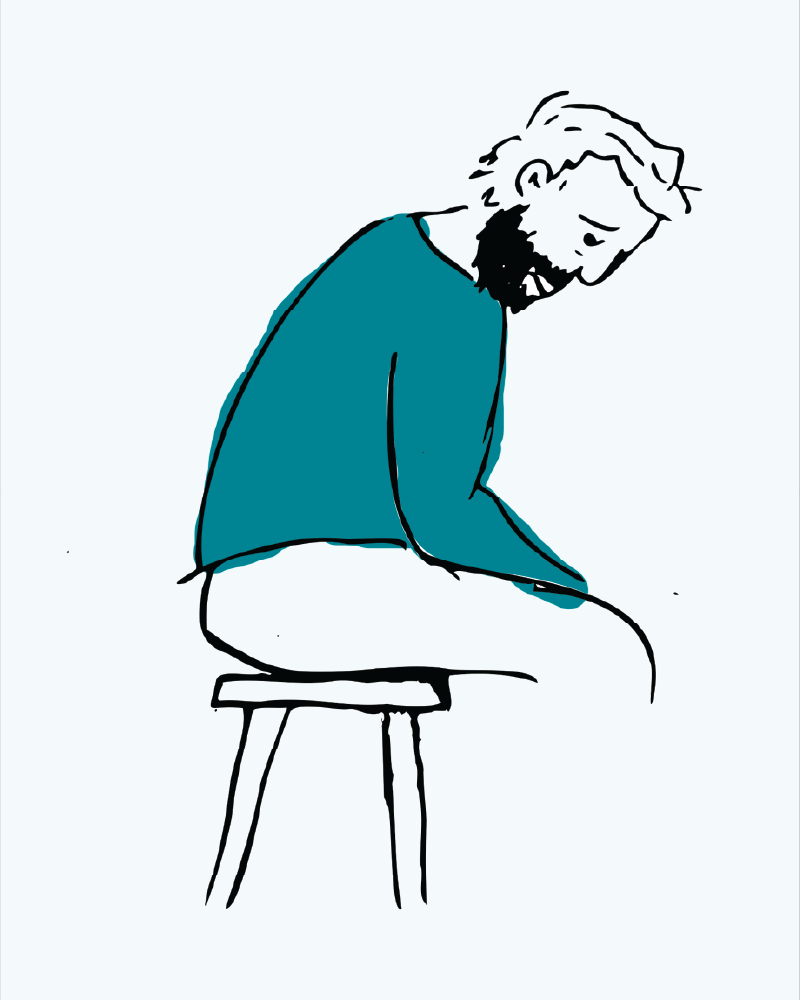
Symptoms of Low Testosterone
Testosterone affects more than most people realise.
It plays a role in energy, mood, focus, sexual health, physical performance and overall wellbeing. When levels fall below a healthy range, the effects can appear slowly and are often mistaken for stress, ageing or poor sleep.
Many men describe the same feeling. Something just is not quite right.
Understanding the symptoms is the first step toward understanding what your body is telling you.
Low Energy and Constant Fatigue
One of the most common signs of low testosterone is persistent fatigue.
This is not simply feeling tired after a long day. Many men describe waking up exhausted, struggling to stay energised through the afternoon or feeling drained despite adequate sleep.
Testosterone supports metabolism and energy regulation. When levels drop, energy can drop with it.
Reduced Sex Drive
Testosterone is the hormone most closely linked to libido in men.
A noticeable decline in sexual desire is often one of the earliest signs of testosterone deficiency. Men who previously had a healthy sex drive may find interest in intimacy significantly reduced.
This change can occur gradually, making it easy to dismiss or overlook.
Erectile Difficulties
Low testosterone can also affect sexual performance.
Testosterone supports the physiological processes involved in achieving and maintaining erections. While erectile dysfunction can have many causes, hormonal imbalance is an important factor that should not be ignored.
Proper testing helps determine whether testosterone may be contributing.
Brain Fog and Reduced Focus
Many men with low testosterone report difficulty concentrating or thinking clearly.
Tasks that once felt simple can become harder to complete. Memory can feel less reliable and motivation can decline.
This mental fog can affect work performance, decision making and everyday productivity.
Changes in Mood
Testosterone influences several systems involved in mood regulation.
When levels fall, some men notice increased irritability, lower confidence or a persistent feeling of being mentally flat. Motivation can decline and activities that once felt enjoyable may feel harder to engage with.
These changes are often subtle but noticeable over time.
Loss of Muscle and Strength
Testosterone plays a key role in maintaining lean muscle mass.
Low levels can make it harder to build or maintain muscle even with regular exercise. Strength may decline and recovery after training may take longer than it once did.
Many men notice that their body simply does not respond to training in the same way.
Increased Body Fat
Hormonal imbalance can also influence how the body stores fat.
Men with low testosterone may notice increased body fat, particularly around the abdomen. This change often occurs even when diet and exercise habits remain the same.
Testosterone plays an important role in metabolic health, which is why these changes can appear.
Poor Recovery and Low Motivation
Training performance, physical recovery and motivation often change with declining testosterone.
Men may find themselves less motivated to exercise or struggling to maintain the routines they once enjoyed. Recovery after workouts can take longer and physical performance can feel diminished.
Fertility Changes
Testosterone levels are closely linked with reproductive health.
In some cases, low testosterone can affect sperm production and fertility. If family planning is important, this should always be discussed during clinical assessment so the right treatment approach can be chosen.
When Symptoms Add Up
Any one of these symptoms can occur for many different reasons.
However, when several appear together such as fatigue, reduced libido, brain fog and mood changes it may indicate that testosterone levels should be assessed.
Blood testing provides the only reliable way to confirm whether testosterone deficiency is present.
Start With Understanding
Low testosterone is more common than many men realise, and it is often treatable when diagnosed properly.
The first step is simple.
Test your levels.
Understand the results.
Then decide what to do next.
Everything starts with knowing your numbers.