


Andropause (Male Menopause): Symptoms, Age and Treatment
What andropause actually is, why 'male menopause' is a misleading name, the symptoms, what age it typically starts, and the treatment options available.
What causes hormonal imbalances in men? A clear guide to the common causes, symptoms, and how to find out if low testosterone is behind how you feel. From Arc TRT.



Written and medically reviewed by Dr Chris Airey, TRT Doctor at Arc TRT — BMBS MMedSc Dip ENDO, GMC 7490533. View full profile →
When people hear the phrase "hormonal imbalance" they tend to think of women, menopause, and pregnancy. Men have hormones too, and they go out of balance just as readily, with effects that are often dismissed for years before anyone connects the dots.
This article explains what a hormonal imbalance actually is in men, the most common causes, the symptoms it produces, and how to find out whether you are dealing with one. The aim is to demystify a topic that is often confusing because it sits between general health, mental health, and lifestyle, with no obvious medical home.
A hormonal imbalance simply means one or more of your hormones is outside the range that supports normal function. The most well-known male hormonal issue is low testosterone, but men's hormonal health involves a network: testosterone, oestrogen, cortisol, thyroid hormones, prolactin, growth hormone, insulin, and several others. They influence each other. A problem with one often causes ripples through the rest.
When people say "hormonal imbalance" in men, they most commonly mean one of three things:
There are others (cortisol issues, prolactin issues, growth hormone deficiency) but those three cover most of what men present with.
Average male testosterone declines roughly 1-2 percent per year after age 30. For some men, this stays comfortably within normal range and produces no significant symptoms. For others, it drifts into clinically low territory in their 40s, 50s, or beyond, and starts producing symptoms.
Ageing also affects how sensitively the body uses hormones, not just how much it produces. A 55-year-old with a "normal" testosterone level may still feel symptoms that a 30-year-old with the same level would not, because how the hormone is being utilised has changed.
Sustained psychological stress raises cortisol, which suppresses testosterone production through effects on the hypothalamic-pituitary-gonadal axis. Men under chronic stress for years often develop measurably low testosterone alongside the more obvious stress symptoms.
This is one of the biggest underappreciated drivers of hormonal imbalance in modern men. Stress that does not switch off, year after year, has hormonal consequences.
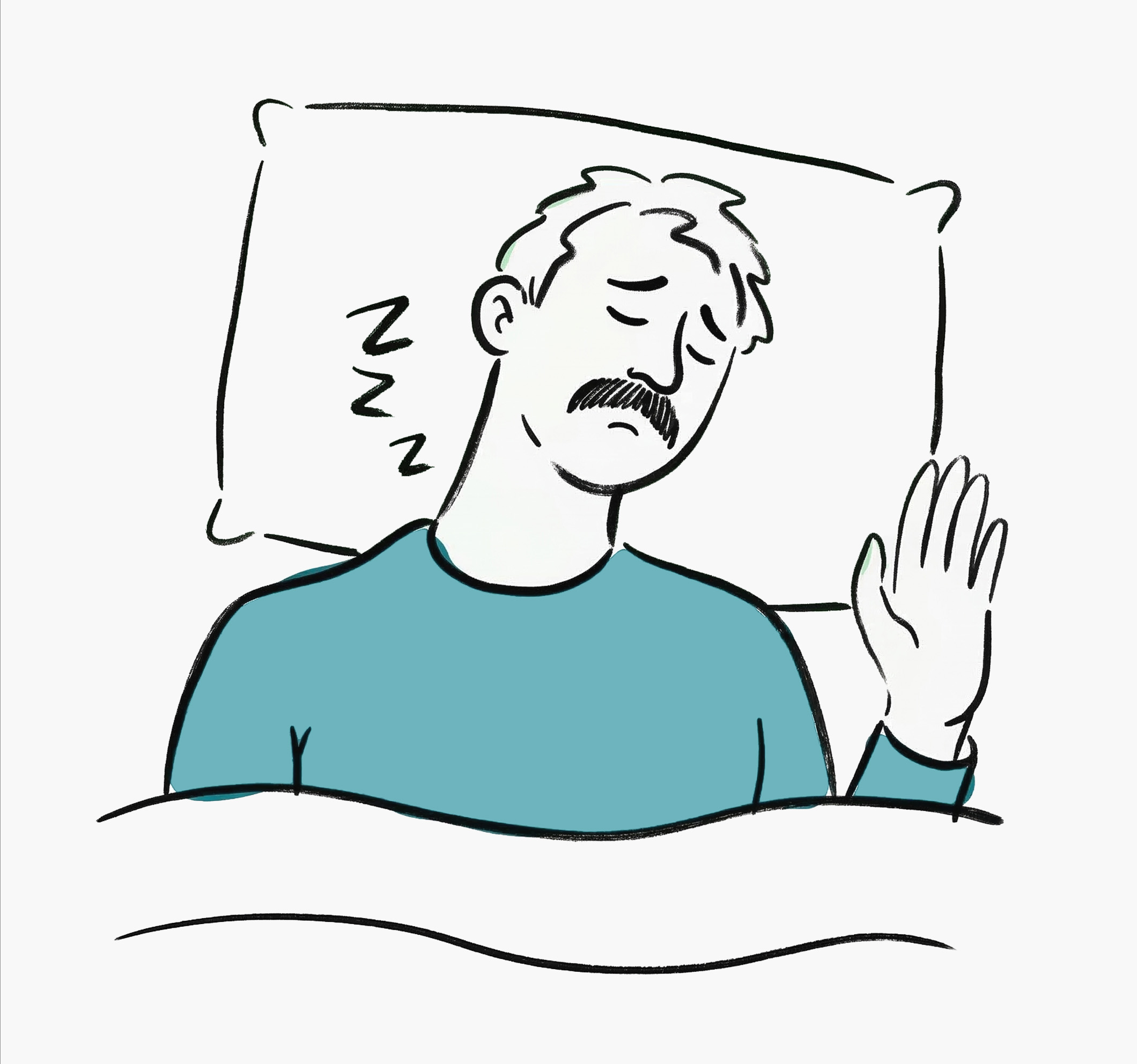
Most testosterone production happens during sleep, particularly during deep and REM stages. Chronic sleep deprivation (less than seven hours per night, or fragmented sleep) measurably reduces testosterone over time. Sleep apnoea, which often goes undiagnosed, is particularly damaging to male hormonal health.
Adipose tissue (body fat) contains an enzyme called aromatase that converts testosterone to oestrogen. Men carrying significant excess weight, particularly around the abdomen, often have both lower testosterone and higher oestrogen than is healthy. This creates a self-reinforcing cycle: lower testosterone makes it harder to lose weight, more weight means more aromatase activity, which lowers testosterone further.
Regular heavy alcohol use suppresses testosterone production directly and disrupts the sleep that would otherwise help recovery. Even moderate but consistent alcohol intake (say, two or three drinks most evenings) has measurable hormonal effects over time.
Some commonly prescribed medications affect testosterone or other hormones. Opioids are particularly suppressive of testosterone. Some antidepressants, blood pressure medications, and corticosteroids can also affect hormonal balance. If you have been on any long-term medication and developed symptoms of hormonal imbalance, this is worth investigating with your prescribing doctor.
A range of medical conditions can produce hormonal imbalances. The most common include: type 2 diabetes or pre-diabetes, thyroid disease (under or overactive), pituitary problems (rare but significant), testicular damage or dysfunction, chronic illness (especially anything causing significant inflammation), and certain genetic conditions like Klinefelter syndrome.
This is why a proper investigation looks at the whole picture, not just testosterone. A man whose testosterone is low because his thyroid is failing needs his thyroid treated, not a testosterone prescription.
The reasons are debated, but average male testosterone levels have been measurably declining for decades, even when controlling for age. Some researchers point to environmental factors (plasticisers, endocrine disruptors, microplastics), some to dietary changes, some to broader lifestyle shifts (less physical activity, more chronic stress, more processed food, less time outside).
Whatever the mix of causes, the trend is real. Today's 40-year-old often has measurably lower testosterone than his father did at the same age.
Hormonal imbalance symptoms are frustratingly non-specific, which is why they often get missed. Most men experiencing them assume they are just tired, stressed, getting older, or out of shape. The symptoms cluster differently depending on which hormones are out of balance, but the most common include:
If three or more of these have crept in over the last year or two, and your lifestyle has not changed dramatically to explain them, a hormonal investigation makes sense.
A serious investigation of male hormonal imbalance involves more than a single testosterone measurement. A good comprehensive blood test will look at:
Looking at all of these together makes the difference between a useful answer and a confused one. Men sometimes get told their "testosterone is normal" when their oestrogen is high, their SHBG is binding most of their testosterone, or their thyroid is the actual problem.
The interpretation matters too. Reference ranges on blood tests are wide. A testosterone level at the bottom of "normal" might be clinically normal for one man and clinically low for another, depending on age, symptoms, and history. A good doctor reads results in clinical context, not just against reference ranges.
Treatment depends entirely on what the investigation finds. There is no single answer for "hormonal imbalance" because the term covers many different specific situations.
If lifestyle factors are the main driver, the most powerful interventions are usually unglamorous: better sleep, less alcohol, weight loss if relevant, more resistance training, reducing chronic stress. These genuinely can normalise hormonal levels in some men.
If primary hypogonadism is diagnosed (your testes are not producing enough testosterone), TRT is the standard treatment, with HCG often added to preserve testicular function and fertility.
If high oestrogen is the issue, treatment depends on the cause. Sometimes lifestyle changes are enough. Sometimes a medication called an aromatase inhibitor is appropriate, often used alongside TRT.
If thyroid dysfunction is found, thyroid treatment usually resolves the testosterone symptoms too. Treating low testosterone in someone with an undiagnosed thyroid problem is treating the wrong condition.
If prolactin is elevated significantly, that needs investigation in its own right, as it can have specific causes that require specific treatment.
The thread connecting all of these: the right treatment depends on the right diagnosis. Comprehensive testing first, then targeted treatment.
Hormonal imbalances in men are common, treatable, and often missed for years because the symptoms are non-specific and men tend to push through. If you have a cluster of symptoms that suggest something has shifted, getting your hormones properly tested is the most useful single step you can take.
The investigation gives you actual data. From there, you have options: lifestyle changes, targeted treatment, personalised TRT if appropriate, or sometimes the reassurance that your hormones are fine and the cause is elsewhere. All of those outcomes are better than years of guessing.
Want to know where your levels sit?
Arc TRT offers home finger-prick testing and enhanced clinical panels, with results reviewed by a UK doctor. Over 3,000 men tested and counting.
This article is for general information and does not replace personalised medical advice. Speak to a qualified clinician about your individual circumstances.
For the complete picture, see our full guide to TRT in the UK, covering eligibility, blood test thresholds, NHS and private routes, costs and monitoring. If you are still working out whether any of this applies to you, start with the symptoms of low testosterone.