



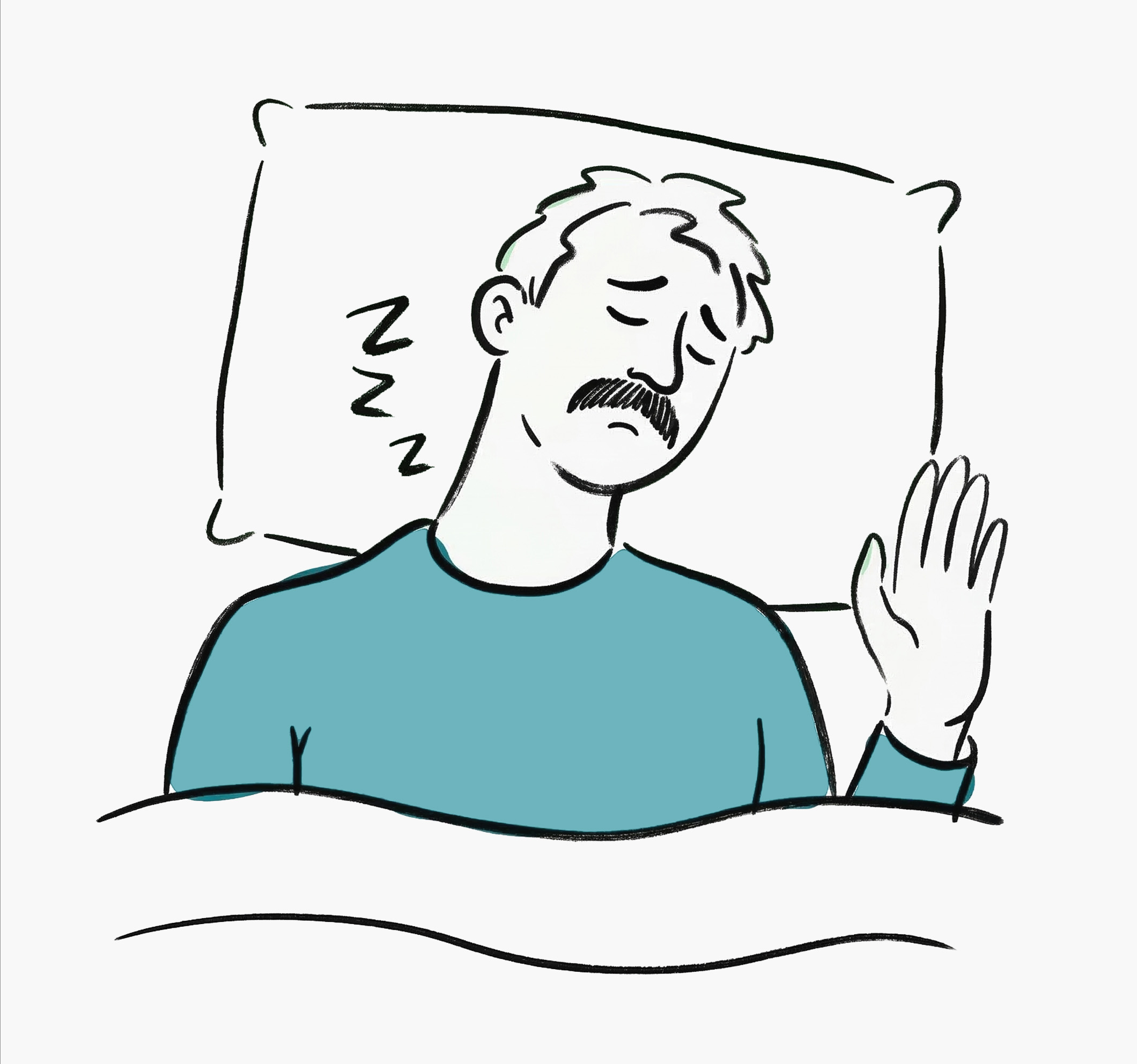

Andropause (Male Menopause): Symptoms, Age and Treatment
What andropause actually is, why 'male menopause' is a misleading name, the symptoms, what age it typically starts, and the treatment options available.
Persistent fatigue in your 40s isn't just age. Learn the link between low testosterone and tiredness, and what UK men can do about it. Doctor-led guidance from Arc TRT.


Written and medically reviewed by Dr Chris Airey, TRT Doctor at Arc TRT — BMBS MMedSc Dip ENDO, GMC 7490533. View full profile →
You wake up tired. You push through the morning on caffeine. By 3pm you're flat. By 9pm you're done.
You used to bounce back. Now you don't.
A lot of men in their 40s assume this is just what getting older feels like. Sometimes it is. Often, though, there's something else going on, and it's treatable.
Fatigue is one of the most common reasons men book a GP appointment. It's also one of the most under-investigated. Most consultations end with the same advice: have a blood test, get more sleep, cut down on alcohol. Useful, but rarely the full picture.
If your tiredness has lasted more than a few months, isn't relieved by rest, and is showing up alongside other changes in your mood, libido, focus or body composition, it's worth looking deeper.
Testosterone plays a role in your energy, mood, sleep quality, motivation, and how your body uses fuel. When levels drop, the effects rarely arrive as one dramatic symptom. They creep in.
Common signs of low testosterone in men in their 40s include:
You don't need all of these. Most men we see present with a cluster of three or four.
The British Society for Sexual Medicine (BSSM), which sets UK clinical standards for testosterone deficiency, suggests treatment may be considered for men with bothersome symptoms and a total testosterone below 12 nmol/L. Yet the NHS "normal" range often starts as low as 8 nmol/L, which means a man can be technically "in range" and still feel terrible.
This is one of the most misunderstood parts of testosterone testing.
A 35-year-old with the testosterone level of an 80-year-old can still come back "normal" on a standard NHS panel. The number on the page says fine. The man does not feel fine.
At Arc TRT, we treat the patient, not the number on the paper. Symptoms matter. Context matters. Two confirmed low readings, alongside bothersome symptoms, are what tell us whether therapy is appropriate. Not a single line on a lab report.
It's important to be honest about this. Tiredness in your 40s can also come from:
That's why a proper assessment looks at the whole picture, not just testosterone in isolation. Our enhanced blood panel checks total and free testosterone alongside thyroid markers, full blood count, lipids, glucose, and other hormones, so we can rule things in or out properly.
If you've been tired for months, you've tried the obvious things, and you've got a few of the symptoms above, the next sensible step is a comprehensive blood test.
That's not a commitment to treatment. It's information. Once you and a clinician understand what's actually happening, you can make a decision that fits. That might be lifestyle changes, addressing another underlying issue, or considering testosterone replacement therapy.
You shouldn't have to live around your energy levels at 45.
Considering an assessment?
Arc TRT is a UK doctor-led testosterone clinic that has helped over 3,000 men investigate the cause of their symptoms and, where appropriate, begin properly monitored treatment. Start with an at-home blood test, and we'll do the rest.
This article is for general information and does not replace personalised medical advice. If you are concerned about your health, speak to a qualified clinician.
For the complete picture, see our full guide to TRT in the UK, covering eligibility, blood test thresholds, NHS and private routes, costs and monitoring. If you are still working out whether any of this applies to you, start with the symptoms of low testosterone.