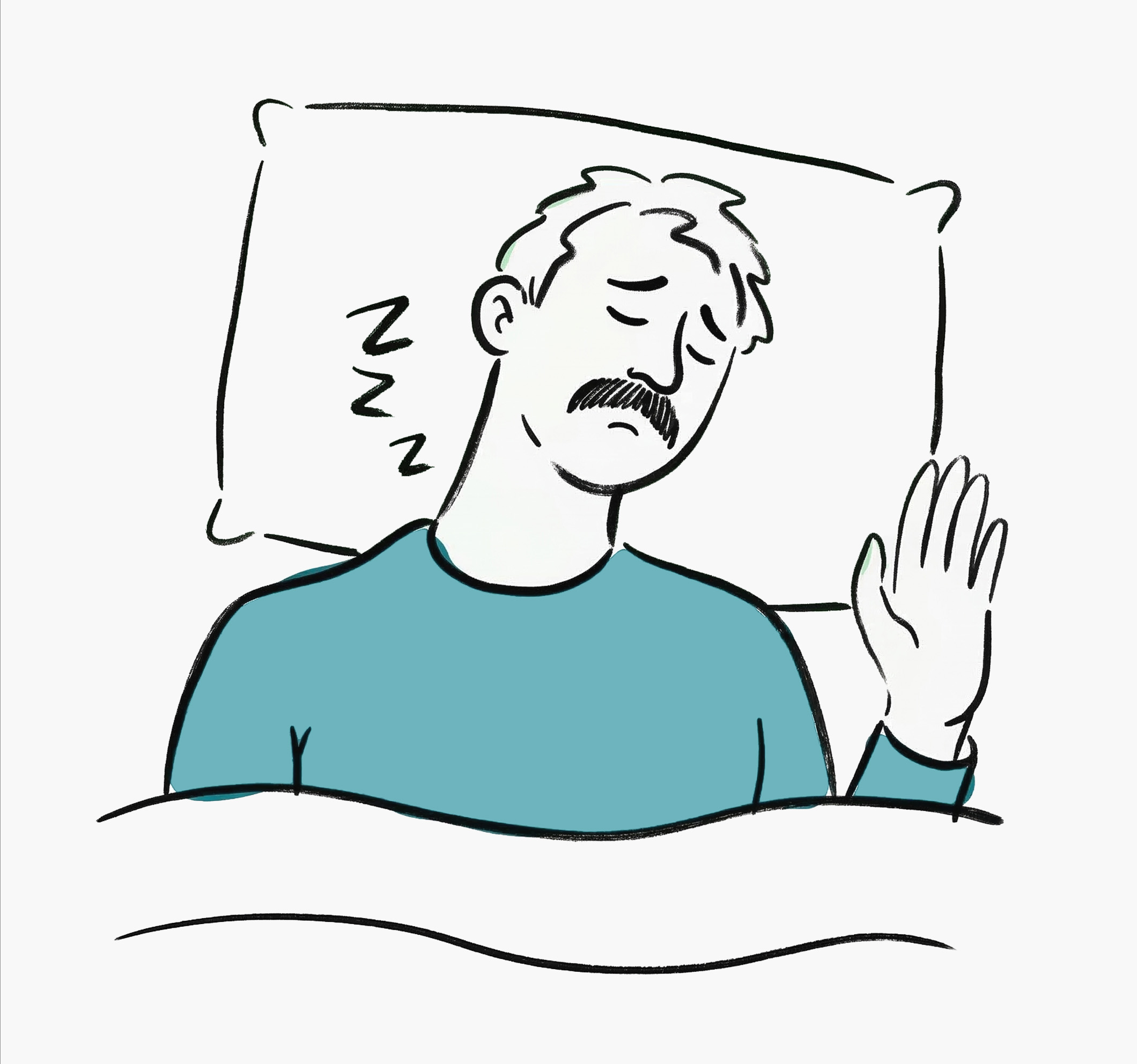



Andropause (Male Menopause): Symptoms, Age and Treatment
What andropause actually is, why 'male menopause' is a misleading name, the symptoms, what age it typically starts, and the treatment options available.
Testosterone replacement therapy suppresses sperm production. Here's how it affects fertility, what you can do to protect it, and the role of HCG. UK guidance from Arc TRT.


Written and medically reviewed by Dr Chris Airey, TRT Doctor at Arc TRT — BMBS MMedSc Dip ENDO, GMC 7490533. View full profile →
This is one of the most important conversations to have before starting TRT, and one of the most commonly skipped.
Testosterone replacement therapy reduces sperm production. For some men this is irrelevant. For others it's a deal-breaker. The difference is whether you've thought about it before starting, or after.
Your body produces testosterone in a feedback loop. The brain sends a signal (luteinising hormone, or LH) to the testes. The testes respond by producing testosterone and sperm.
When you take testosterone from an external source, your brain detects high levels of the hormone and stops sending the signal. Production in the testes slows or stops. Testosterone levels in your blood stay normal because they're being replaced. Sperm production, however, depends on the internal signal that's no longer being sent.
The result is reduced sperm count, often significantly. In many men, sperm count drops to near zero within a few months of starting TRT.
Studies show that the majority of men on testosterone therapy will experience a marked reduction in sperm count, and a significant proportion will become functionally infertile while on treatment.
This is not a side effect. It's a direct, predictable consequence of how the medication works. Any clinic that tells you TRT doesn't affect fertility is misinforming you.
Usually, yes. For most men, sperm production returns after stopping TRT, though it can take 6 to 18 months. Some men recover faster. A small number experience persistent issues, particularly those who were on TRT for many years or who had underlying fertility issues before starting.
The longer you've been on treatment, and the older you are when you stop, the less predictable recovery becomes.
HCG (human chorionic gonadotropin) mimics the LH signal your brain stops sending when you're on TRT. By administering HCG alongside testosterone, you can keep the testes active and continue producing sperm.
HCG isn't a guarantee. Response varies between men. But for those who want to preserve fertility while on TRT, it's the most effective tool available.
A typical fertility-preserving protocol involves:
This requires a clinic that's comfortable prescribing and monitoring HCG. Not all UK providers offer it as standard.
Before starting TRT, not after. The questions to think through:
There's no single right answer. Some men start TRT in their 50s after their family is complete and never need to think about it. Others start in their 30s with no children yet and need a fertility-preserving plan from day one.
The clinic prescribing you TRT should ask these questions before they prescribe. If they don't, ask yourself why.
The most common approach for men who want to keep fertility intact while on treatment. Requires extra injections and adds to the monthly cost (typically £30 to £60 extra per month) but keeps the testes producing sperm.
You can have sperm cryopreserved at a fertility clinic before beginning TRT. It's not cheap, but it's a one-off cost that provides a backup regardless of what happens with your sperm production on treatment. This is particularly worth considering if you're young, plan to start a family later, and don't want the ongoing complexity of HCG.
A "restart" protocol involves stopping testosterone and using medications like HCG, clomiphene or hMG to restart your body's own production. This can take months and isn't guaranteed to work quickly. It's a viable option for men who don't mind some downtime when actively trying to conceive.
Many men use a mix: HCG throughout treatment to maintain baseline sperm production, plus sperm storage as insurance, plus a planned pause if difficulties arise.
Worth flagging because it's commonly confused. TRT typically improves erectile function and libido. It doesn't impair the ability to have sex. The fertility issue is specifically about sperm production, not sexual performance.
If fatherhood is on the table for you, now or in the future, this needs to be part of your TRT plan from day one. Not a problem to deal with later.
The good news: with the right protocol, most men can be on TRT and still preserve their ability to have children. The wrong news: this only happens if you and your clinic plan for it deliberately.
Ask the question. Make sure your doctor has a clear answer. And don't start treatment until you're satisfied with the plan.
Talk to a UK TRT doctor about your fertility plan
Arc TRT offers HCG as part of treatment plans where appropriate, and we take the fertility conversation seriously before any prescription is written.
This article is for general information and does not replace personalised medical advice. Speak to a qualified clinician about your individual circumstances, particularly if you are planning a family.
For the complete picture, see our full guide to TRT in the UK, covering eligibility, blood test thresholds, NHS and private routes, costs and monitoring. If you are still working out whether any of this applies to you, start with the symptoms of low testosterone.