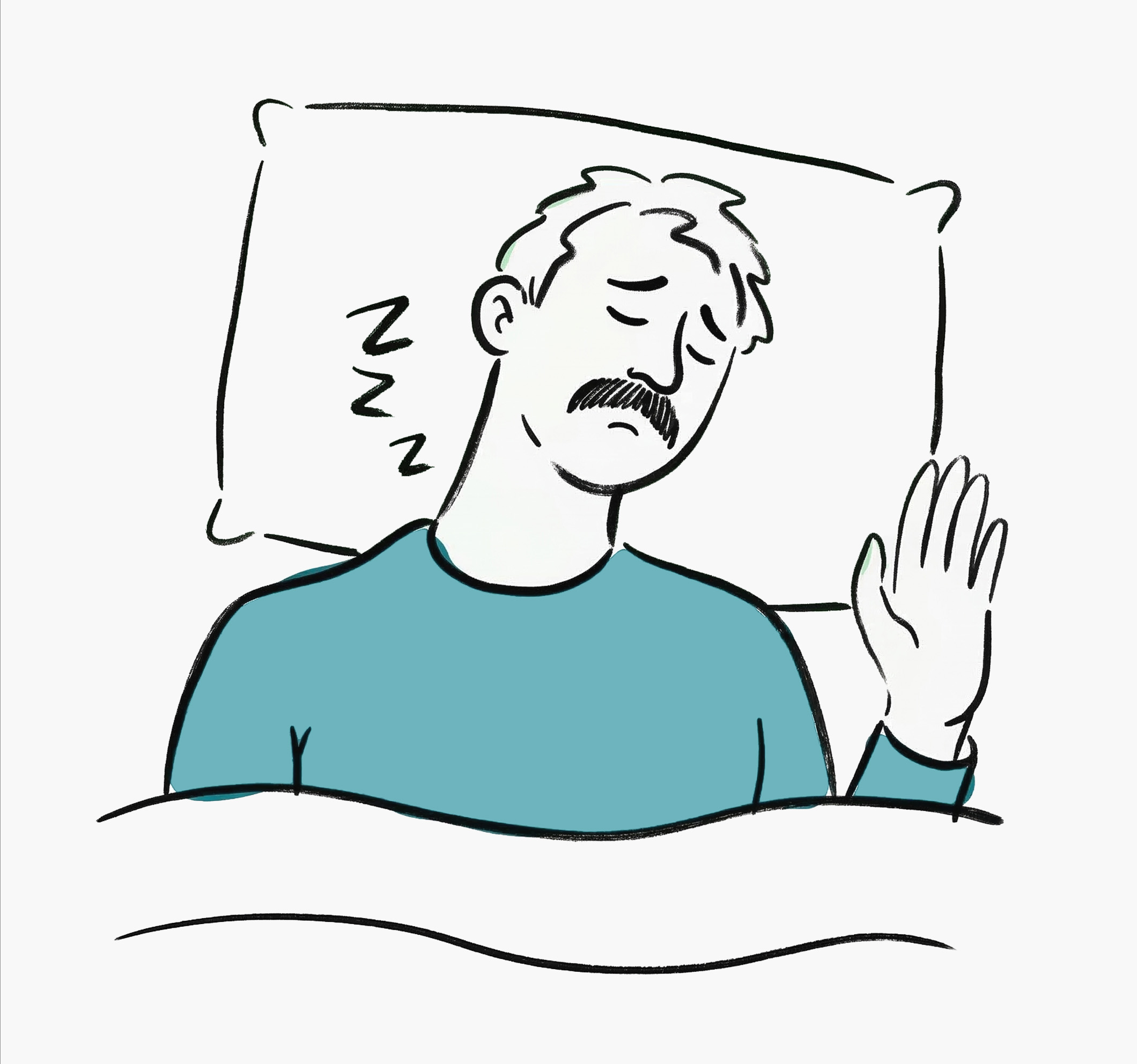



Andropause (Male Menopause): Symptoms, Age and Treatment
What andropause actually is, why 'male menopause' is a misleading name, the symptoms, what age it typically starts, and the treatment options available.
A clear UK guide to testosterone blood testing. NHS vs private, home finger-prick vs venous, what to test, when to test, and how to read your results. From Arc TRT.


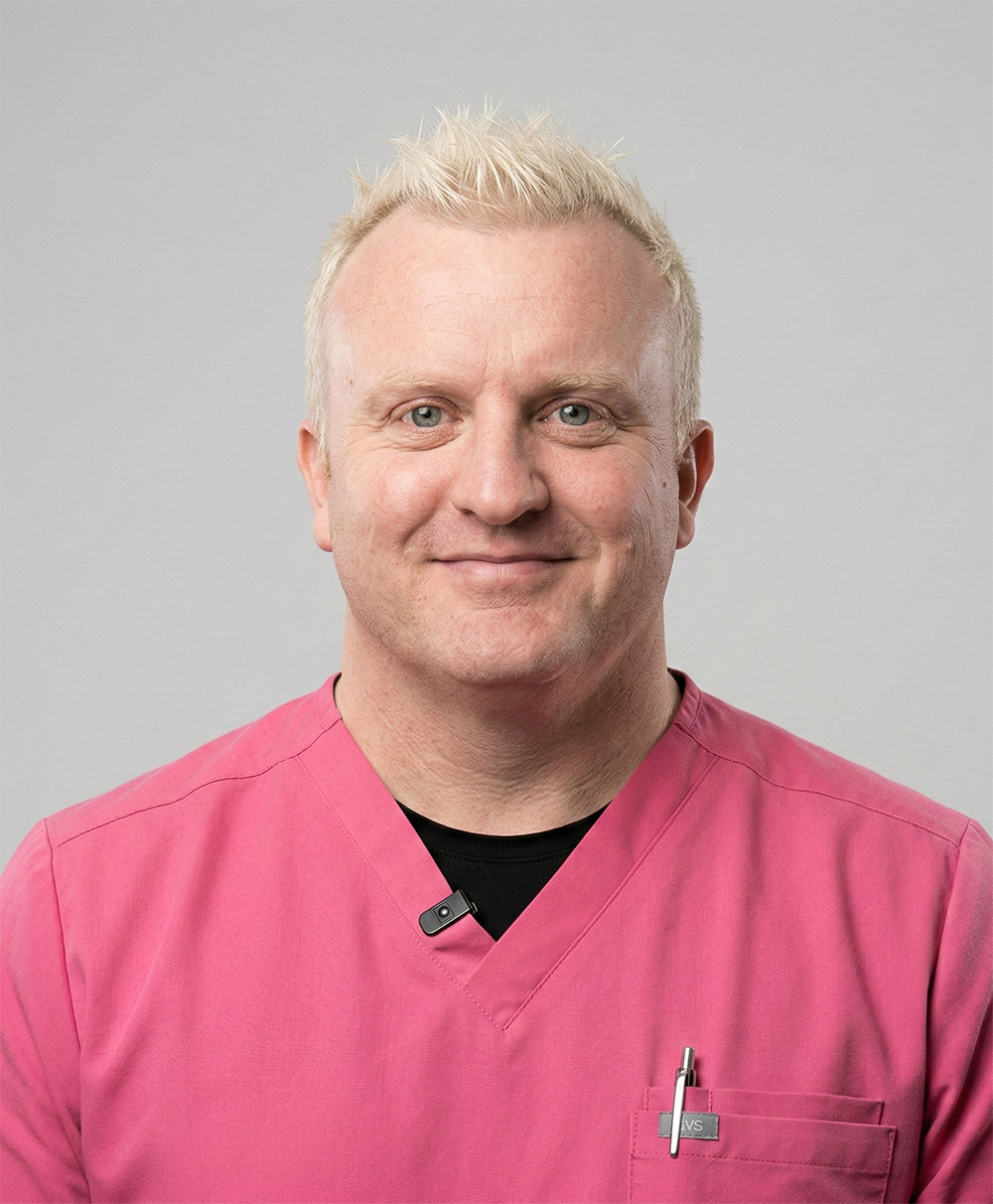
Written and medically reviewed by Dr Chris Airey, TRT Doctor at Arc TRT — BMBS MMedSc Dip ENDO, GMC 7490533. View full profile →
A testosterone blood test is the first real step in understanding whether your symptoms are hormonal. Without it, everything else is guesswork.
The good news is that testing is easier and more accessible in the UK than it has ever been. The bad news is that not all tests are equal, and not all clinicians interpret results the same way.
Here's what you need to know.
A blood test is worth doing if:
Typical symptoms that should prompt testing include fatigue, low libido, mood changes, erectile difficulties, brain fog, loss of muscle and increased body fat. You don't need all of them. Two or three sustained over time is enough to justify a proper look.
You can ask your GP for a testosterone test. Whether you get one depends on your GP, your symptoms, and how confidently you make the case.
What to expect on the NHS:
The challenges are real. Many GPs are unfamiliar with current BSSM guidelines and may declare you "in range" even when symptoms strongly suggest deficiency. Free testosterone, SHBG, LH and FSH aren't always tested as standard. And referrals to endocrinology can take months.
If you go down this route, ask specifically for:
Private testing gives you faster access, broader panels, and clearer interpretation. There are three main routes:
A small lancet, a few drops of blood, sent back to a lab by post. Convenient, no appointments needed, and most kits return results within a few days.
Good for: a first look at total testosterone and a few key markers without leaving the house. Most reputable clinics, including Arc TRT, offer these as the starting point of an assessment.
Worth knowing: finger-prick tests are reliable for many markers but less accurate than venous draws for some. If your finger-prick test comes back borderline or low, a confirmatory venous test is the next step.
A full blood draw at a clinic or with a phlebotomist who comes to you. This is the gold standard for accuracy and the broadest panel.
Good for: confirming a low finger-prick result, or starting with a comprehensive panel from the outset.
Some clinics offer panels that include 30+ markers in one go: total and free testosterone, SHBG, oestradiol, LH, FSH, full blood count, thyroid, lipids, glucose, liver and kidney function, prostate-specific antigen (PSA) and more. This is the most thorough option and the most useful clinical picture.
A single total testosterone reading on its own tells you very little. A useful test includes:
Without these, you're working with half a picture.
Testosterone follows a daily rhythm. It's highest in the early morning and drops through the day. UK clinical guidance recommends testing between 7am and 11am for the most meaningful result.
A few other practical points:
The most common mistake men make when reading their own results is comparing their number to the bottom of the "normal" range and concluding they're fine.
A few things worth understanding:
This is where having a clinician interpret your results, rather than reading them off a PDF, makes a real difference.
If your first test comes back low, the standard pathway is:
You should never be prescribed TRT on a single test. UK guidance is clear on this, and any clinic willing to skip the confirmation step isn't following best practice.
If you've got symptoms and you want answers, a testosterone blood test is the most useful £75 to £150 you can spend on your health. It either rules a hormonal cause in, or rules it out and points you somewhere more useful.
Either way, you stop guessing.
Order a testosterone blood test
Arc TRT offers home finger-prick testing and enhanced clinical panels, with results reviewed by a UK doctor. Over 3,000 men tested and counting.
This article is for general information and does not replace personalised medical advice. Speak to a qualified clinician about your individual circumstances.
For the complete picture, see our full guide to TRT in the UK, covering eligibility, blood test thresholds, NHS and private routes, costs and monitoring. If you are still working out whether any of this applies to you, start with the symptoms of low testosterone.