
TRT Doctor
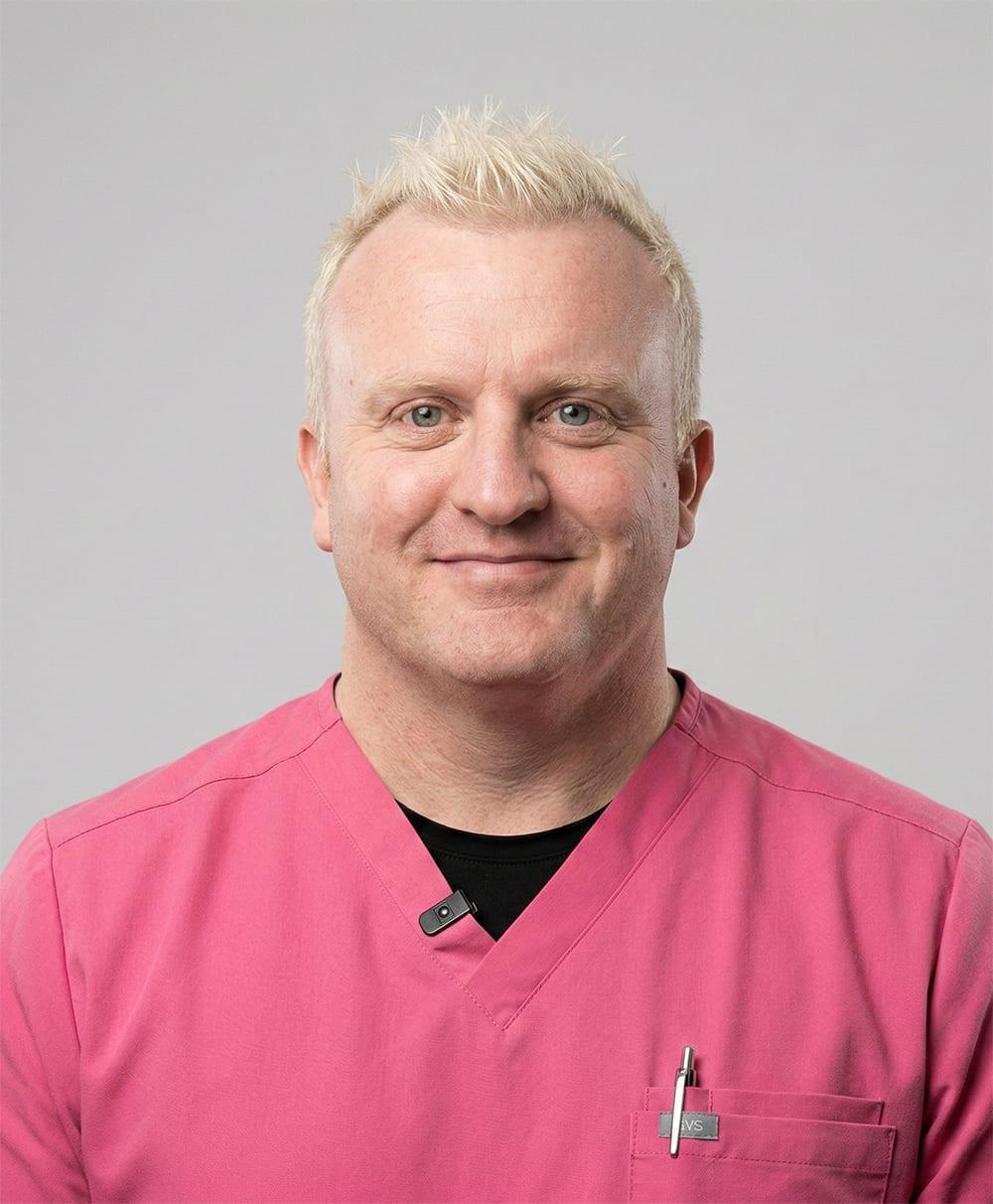
Dr. Chris Airey
Dr Chris Airey is a UK TRT specialist helping men regain energy, confidence and performance through doctor-led testosterone replacement therapy.
A TRT doctor focused on personalised care
Dr Chris Airey (BMBS MMedSc Dip ENDO, GMC 7490533) is a UK doctor registered with the General Medical Council. He has treated thousands of patients with testosterone deficiency across three UK TRT clinics.
He was Medical Director at CJA Balance and Optimale, and then Medical Lead for Testosterone at Manual. He now looks after patients at Arc TRT, where his focus is personalised TRT care.
Other roles
Alongside his TRT work, Chris works in Acute Medicine for the NHS. He also runs CJA Medical, CJA Lifestyle and CJA Aesthetics.
He’s keen on helping people build a healthier lifestyle that improves their health and how they feel day to day.
Sport and fitness
Sport has always been a big part of his life. Over the years he’s done rock climbing, weightlifting, martial arts and rugby, and he later joined the Royal Marine Commandos. These days he mostly trains CrossFit and Olympic weightlifting.
His own experience of TRT
As he got older, Chris became more interested in cellular and hormonal health. He puts a lot of weight on nutrition and exercise, but found that they aren’t always the whole answer.
At 37 he started to get symptoms of testosterone deficiency. He was irritable, his libido dropped, he had no energy and he’d started falling asleep during the day. Having run and lifted weights daily, he lost the motivation to train. Tests showed his testosterone was borderline low. In his words, “I realised that I did not have to accept feeling this way.”
He read up on testosterone and its effects on health, then started treatment. His mood and quality of life improved a lot. His libido, energy and motivation came back, and he went back to weightlifting and CrossFit and began enjoying exercise again.
Training and clinical experience
Chris completed a postgraduate Diploma in Endocrinology to build his knowledge of men’s health and hormones. He has experience treating hormone deficiencies, erectile dysfunction, obesity, hair loss and androgen-induced infertility.
As well as treating men with testosterone deficiency, he has looked after more complex patients with several conditions at once. He has taught other doctors, designed treatment protocols and pathways, and worked to raise the standard of care at the companies he represented.
He says some of the things he’s proudest of are seeing patients father children they didn’t think they could have, and helping men move off unsafe, ineffective therapy onto protocols that changed their lives.
Why individual care matters to him
Chris doesn’t think getting older should mean putting up with the symptoms of low testosterone when safe and effective treatment exists. He also believes no two patients are the same, and he finds it surprising that a one-size-fits-all approach is still standard practice in treating testosterone deficiency.
He saw companies he’d owned move away from individual, patient-centred care towards standardised protocols. That model lets a clinic treat thousands of patients using doctors with little knowledge of testosterone replacement, but in his experience it leads to unhappy patients and poor results. People differ in their receptors and in how they respond to treatment, so he believes their care has to be individual too.
Keeping up with new research in the field is what drives him, and using it to improve his patients’ lives is the part of being a doctor he finds most satisfying.
A responsible approach to TRT
“Testosterone replacement isn’t magic,” says Dr Chris.
“Not everyone needs testosterone replacement. Don’t start TRT just because of a social media ad or a discount after a blood test. You should have symptoms of testosterone deficiency before considering treatment. If symptoms don’t improve, treatment should stop with minimal disruption, regardless of commercial factors.”
In his view, getting a protocol right can mean extra medication, dose changes or further personalisation. It depends on clear communication and on listening to what the patient reports, backed by a good knowledge of the common problems with TRT.
He’s also seen first hand that when TRT is combined with good nutrition, regular exercise and a healthy lifestyle, it can change people’s lives.
Testosterone matters.
Let's treat it properly.
Medical care that puts you back in control, with proper testing, expert oversight and treatment tailored to you.