


TRT and weight loss: why testosterone and GLP-1s work better together
Low testosterone and weight gain are linked. Here's why TRT and weight loss medications like Mounjaro work better as part of one plan than two. UK guidance from Arc TRT.
A complete guide to testosterone replacement therapy (TRT) in the UK. Eligibility, costs, NHS vs private, treatment options and what to expect. Written by Arc TRT.


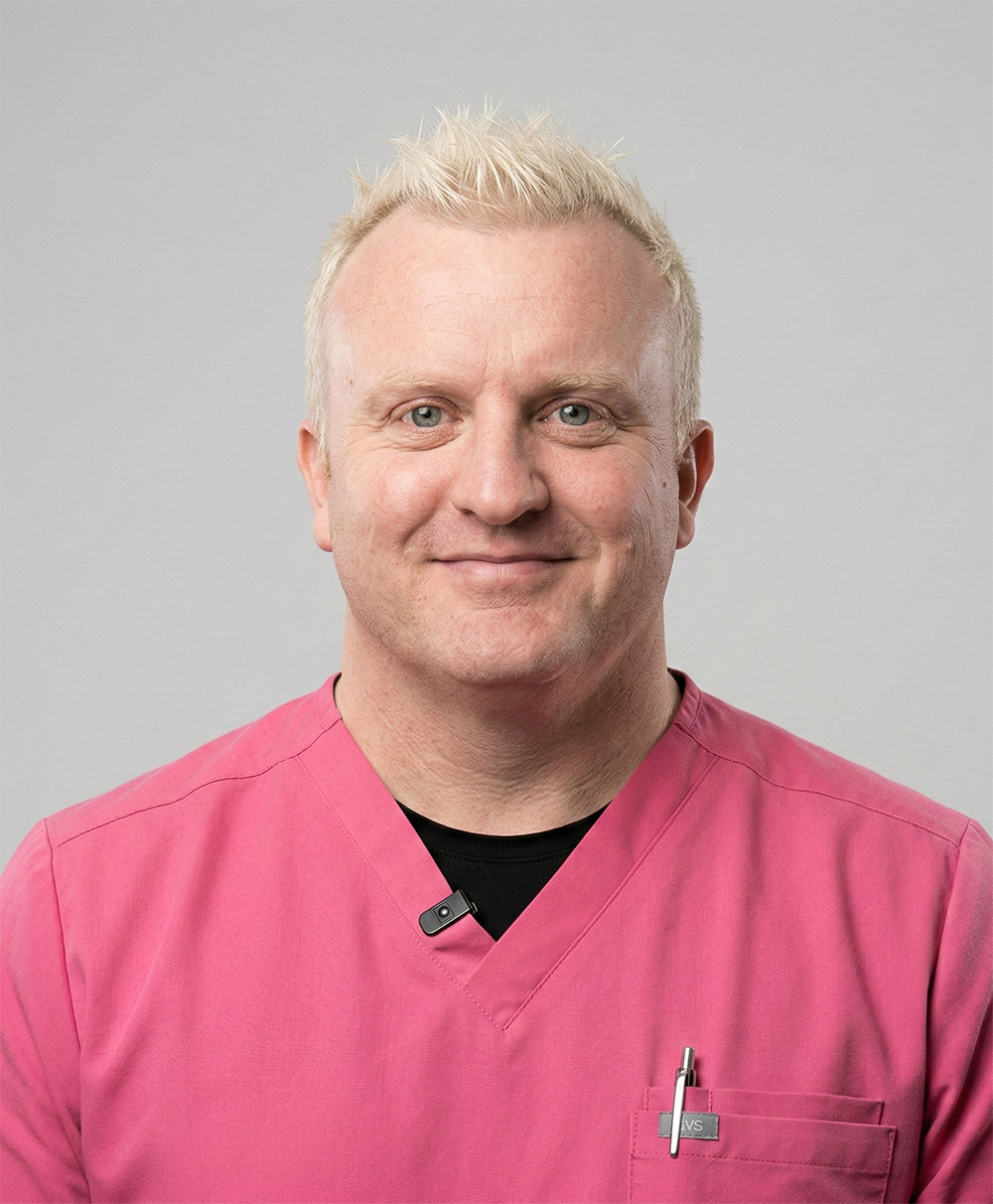
Written and medically reviewed by Dr Chris Airey, TRT Doctor at Arc TRT — BMBS MMedSc Dip ENDO, GMC 7490533. View full profile →
Testosterone replacement therapy, usually shortened to TRT, has become one of the most talked-about treatments in men's health. The conversation has moved a long way from gym forums and locker rooms. It's now a recognised medical treatment for a recognised medical condition, with established UK clinical guidelines behind it.
The landscape can still be confusing, though. NHS access is patchy. Private clinics vary enormously in quality. And the internet is full of strong opinions and weaker evidence.
This guide cuts through it.
TRT replaces the testosterone your body is no longer producing in sufficient amounts. It's a long-term treatment for a long-term condition called testosterone deficiency, sometimes referred to as male hypogonadism.
It is not a performance-enhancing protocol. It is not a shortcut to bigger muscles. It is a clinical intervention designed to restore testosterone to a healthy physiological range in men whose own production has dropped below it.
When prescribed and monitored properly, TRT can resolve symptoms that have often been present for years. That includes fatigue, brain fog, low mood, reduced libido, erectile difficulties, loss of muscle, increased body fat, and disturbed sleep.
UK practice follows guidance from the British Society for Sexual Medicine (BSSM). Two conditions need to be met before treatment is considered:
The BSSM treatment threshold for total testosterone sits at around 12 nmol/L, though the picture is rarely binary. Free testosterone, SHBG (sex hormone binding globulin), LH, FSH and other markers all factor into the clinical decision.
A good clinic will not prescribe TRT on a single reading. A good clinic will not prescribe TRT without symptoms. And a good clinic will rule out other causes of those symptoms first, including thyroid disease, sleep apnoea, depression, nutritional deficiencies and metabolic issues, all of which can mimic low testosterone.
This is where most men get stuck.
On the NHS: Testosterone replacement is available, but the threshold for diagnosis is low, GP awareness varies widely, and waiting lists for endocrinology referrals can run into months. Many men with symptoms and borderline-low levels are told they're "within range" and offered nothing further. Modern, frequent-dosing protocols are also less commonly used.
Privately: A specialist clinic can deliver a faster, more thorough workup, broader testing, modern dosing protocols, and ongoing monitoring without long waits. The trade-off is cost. Quality also varies. Some clinics are excellent and clinician-led, while others are essentially online dispensaries.
When choosing a private UK provider, look for:
Several testosterone preparations are licensed in the UK. The right choice depends on your clinical profile, lifestyle, and personal preference.
Many men also use HCG (human chorionic gonadotropin) alongside TRT to help preserve testicular function and natural production. This is particularly relevant if you want to protect fertility.
A well-structured plan in the UK usually looks like this:
Skipping any of these steps is a red flag.
TRT is safe when properly monitored. The risks people worry about most often are either misunderstood or based on outdated science.
Cardiovascular risk. The TRAVERSE trial, the largest randomised controlled trial of TRT to date, found no increased risk of major cardiovascular events when therapy was properly monitored.
Prostate cancer. The older "gasoline on a fire" model has not held up. There is no clinical evidence that TRT causes prostate cancer. PSA monitoring during treatment means men on TRT are among the most screened in the general population.
Polycythaemia (raised red blood cell count). Real and worth monitoring. Roughly half of men on TRT see some increase in haematocrit. Regular blood counts and dose adjustment manage this safely.
Fertility. Testosterone suppresses sperm production. If fatherhood is part of your plan, this needs to be discussed before starting. HCG and other strategies can help.
"Roid rage." A myth. Mood instability is usually a symptom of low or fluctuating testosterone, not therapeutic replacement.
It usually is, because the underlying deficiency is usually permanent. Think of it like wearing glasses. They work as long as you use them.
That said, you are never locked in. A reputable clinic should offer a structured cessation protocol if you decide to stop, helping your body return to its baseline as smoothly as possible.
If you're a man in the UK with persistent symptoms of low testosterone and confirmed low blood levels, TRT is a legitimate, evidence-based option. It is not a lifestyle choice. It is not a shortcut. It is medical care for a medical condition.
The right clinic will make sure you actually need it before they treat you, and then make sure you're properly looked after for as long as you're on it.
Thinking about whether TRT is right for you?
Arc TRT is a UK doctor-led clinic that has supported over 3,000 men through testing, diagnosis and personalised testosterone therapy. We start with proper blood testing and only proceed when the clinical picture supports it.
This article is for general information and does not replace personalised medical advice. Speak to a qualified clinician about your individual circumstances.