



Weight Gain
Testosterone plays an important role in metabolism and body composition. It helps the body maintain lean muscle mass and regulate how fat is stored and used for energy. When testosterone levels fall below a healthy range, these processes can begin to change.
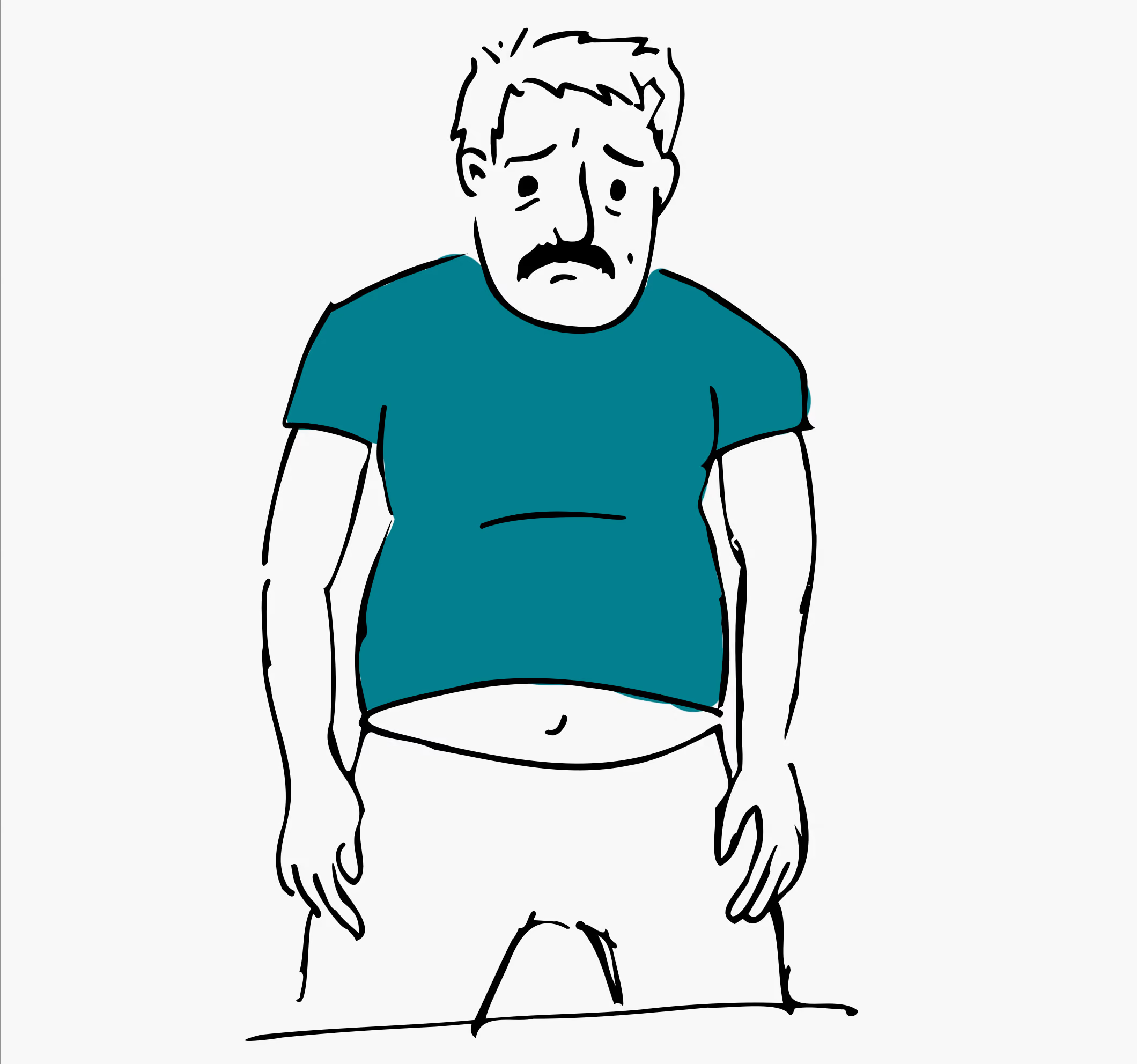
Many men notice gradual weight gain, often around the abdomen, even when their diet and activity levels have not changed significantly. At the same time, it may become harder to maintain muscle and easier to accumulate body fat.
These changes in body composition can also affect energy levels, confidence and overall health.
For men with confirmed testosterone deficiency, restoring hormone levels under medical supervision can help support a healthier metabolism, improve body composition and make it easier for the body to respond to exercise and lifestyle changes.
Experiencing any other symptoms?
Low testosterone rarely shows up as just one thing. If any of these feel familiar, take a look:
Your TRT questions, answered.