



Sleep Quality
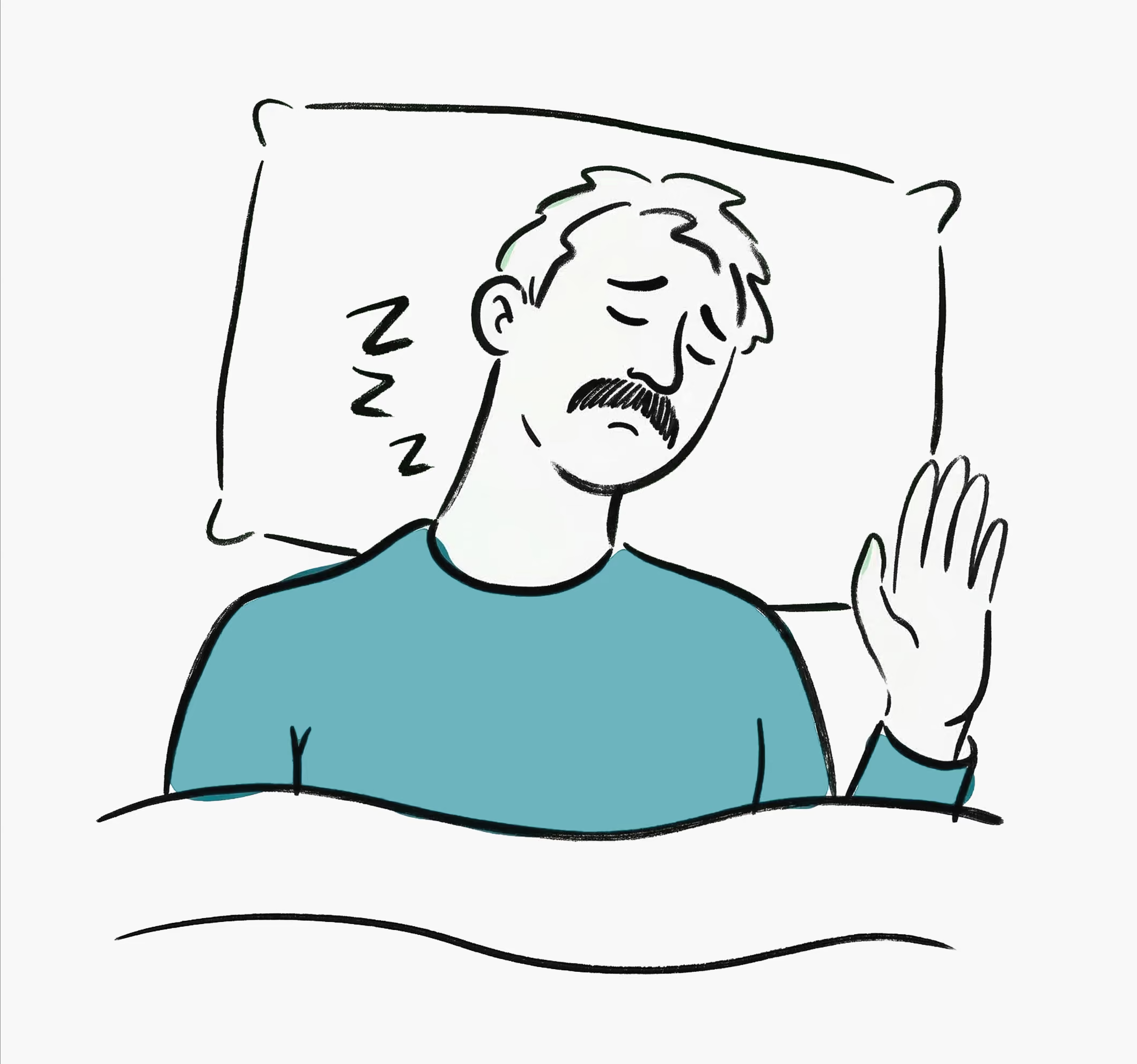
Testosterone and sleep are closely connected. Healthy testosterone levels support normal sleep patterns, while good quality sleep helps the body produce and regulate hormones properly. When testosterone levels fall, many men notice changes in how well they sleep.
Sleep may become lighter, more disrupted, or less restorative. Some men struggle to fall asleep, while others wake frequently during the night or feel unrefreshed in the morning despite spending enough time in bed.
Poor sleep can then create a cycle where low energy, reduced motivation and hormonal imbalance continue to affect daily life.
For men with confirmed testosterone deficiency, restoring hormone levels under medical supervision can help support healthier sleep patterns and improve overall recovery and wellbeing over time.
Experiencing any other symptoms?
Low testosterone rarely shows up as just one thing. If any of these feel familiar, take a look:
Your TRT questions, answered.