



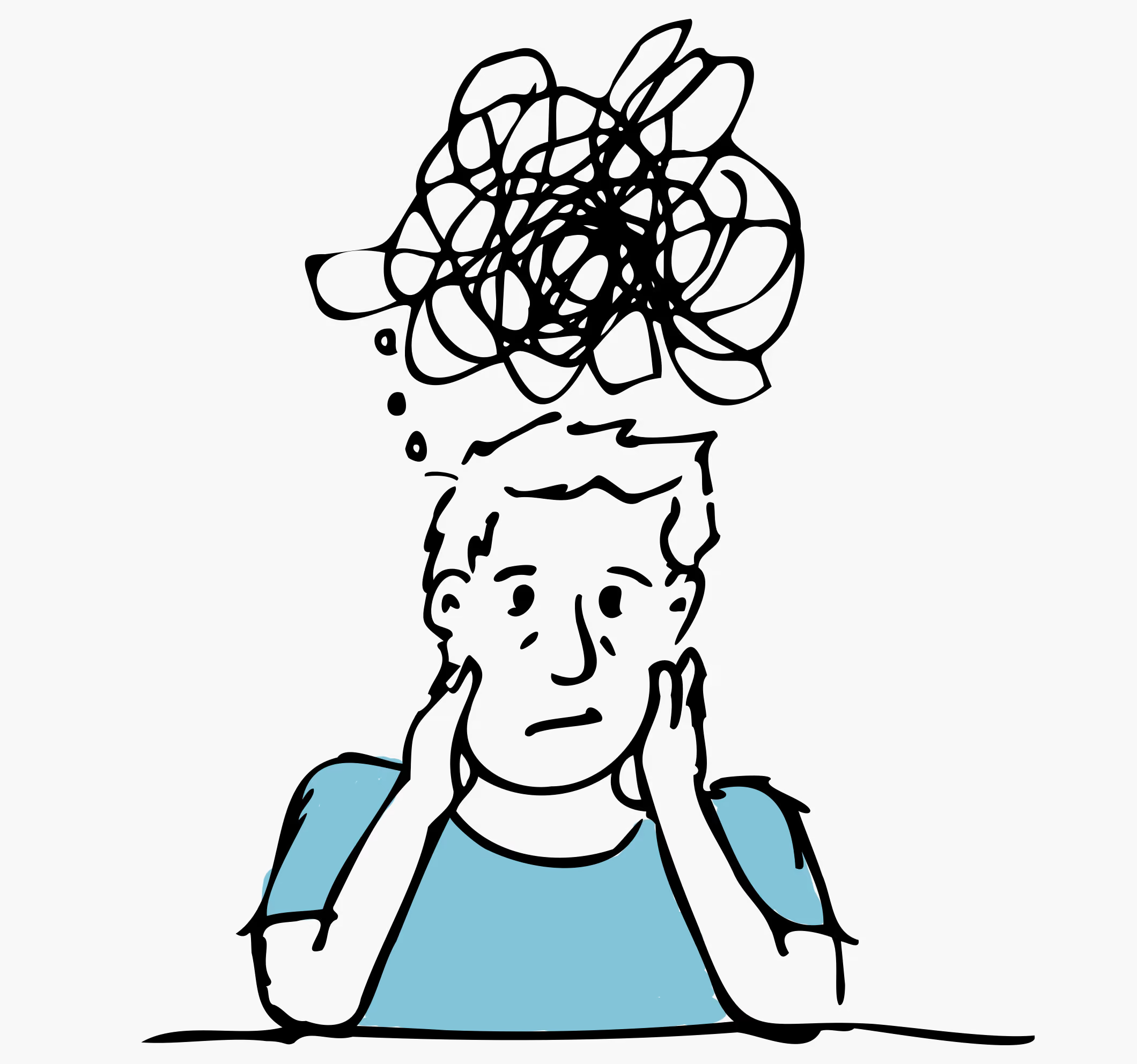
Brain Fog
Brain fog is a common way men describe the feeling that their mind is not working quite the way it used to. Concentration slips. Memory feels slower. Tasks that once felt simple take more effort. Many men notice it as a lack of mental sharpness or the sense that they are always a step behind.
Low testosterone can play a role in this. Testosterone helps support several systems linked to brain function, including mood, motivation, and cognitive processing. When levels fall below a healthy range, some men report reduced focus, slower thinking, and difficulty staying mentally engaged throughout the day.
That does not mean every case of brain fog is caused by low testosterone. Stress, sleep, nutrition, thyroid health, and other factors can also contribute. This is why proper blood testing and clinical review are essential before any treatment is considered.
When testosterone deficiency is confirmed and treatment is appropriate, testosterone replacement therapy can help restore levels to a healthy range. Many men notice improvements in mental clarity, focus, and motivation as hormone balance improves. The goal is not to overstimulate the brain, but to return the body to a more stable hormonal baseline so the mind can function as it should.
Experiencing any other symptoms?
Low testosterone rarely shows up as just one thing. If any of these feel familiar, take a look:
Your TRT questions, answered.