



Anxiety
Testosterone plays an important role in mood regulation and emotional balance. When levels fall below a healthy range, some men notice changes in how they feel mentally and emotionally.
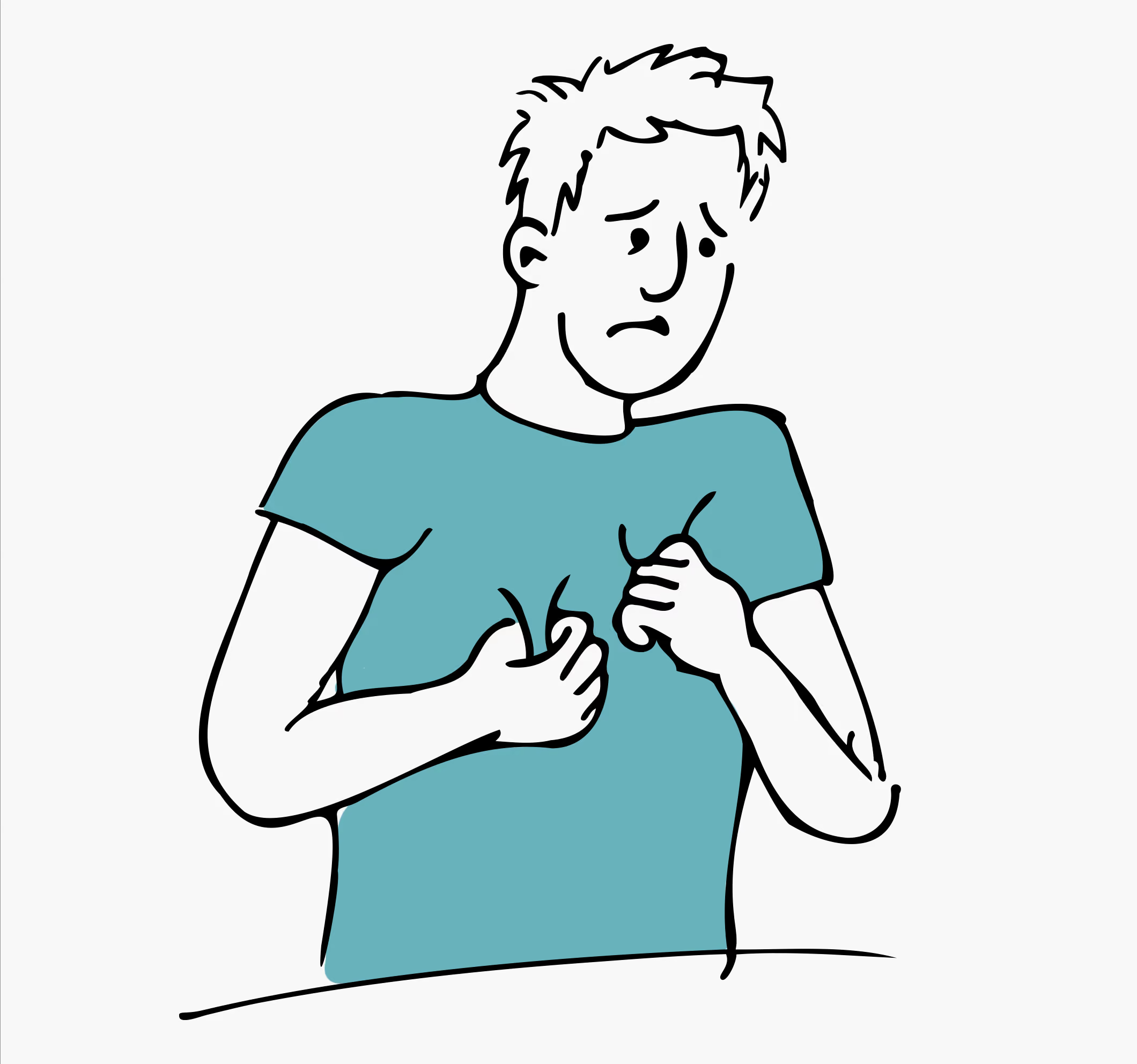
Anxiety can develop gradually. You may feel more on edge than usual, less confident in situations that once felt comfortable, or experience a persistent sense of unease without a clear reason. Stress can feel harder to manage, and small pressures may feel more overwhelming than they once did.
Hormones are closely linked to the brain systems that influence mood and resilience. When testosterone levels drop, this balance can shift and affect how you respond to everyday challenges.
For men with confirmed testosterone deficiency, restoring hormone levels under medical supervision can help improve emotional stability and overall wellbeing over time.
Experiencing any other symptoms?
Low testosterone rarely shows up as just one thing. If any of these feel familiar, take a look:
Your TRT questions, answered.