



Energy Levels
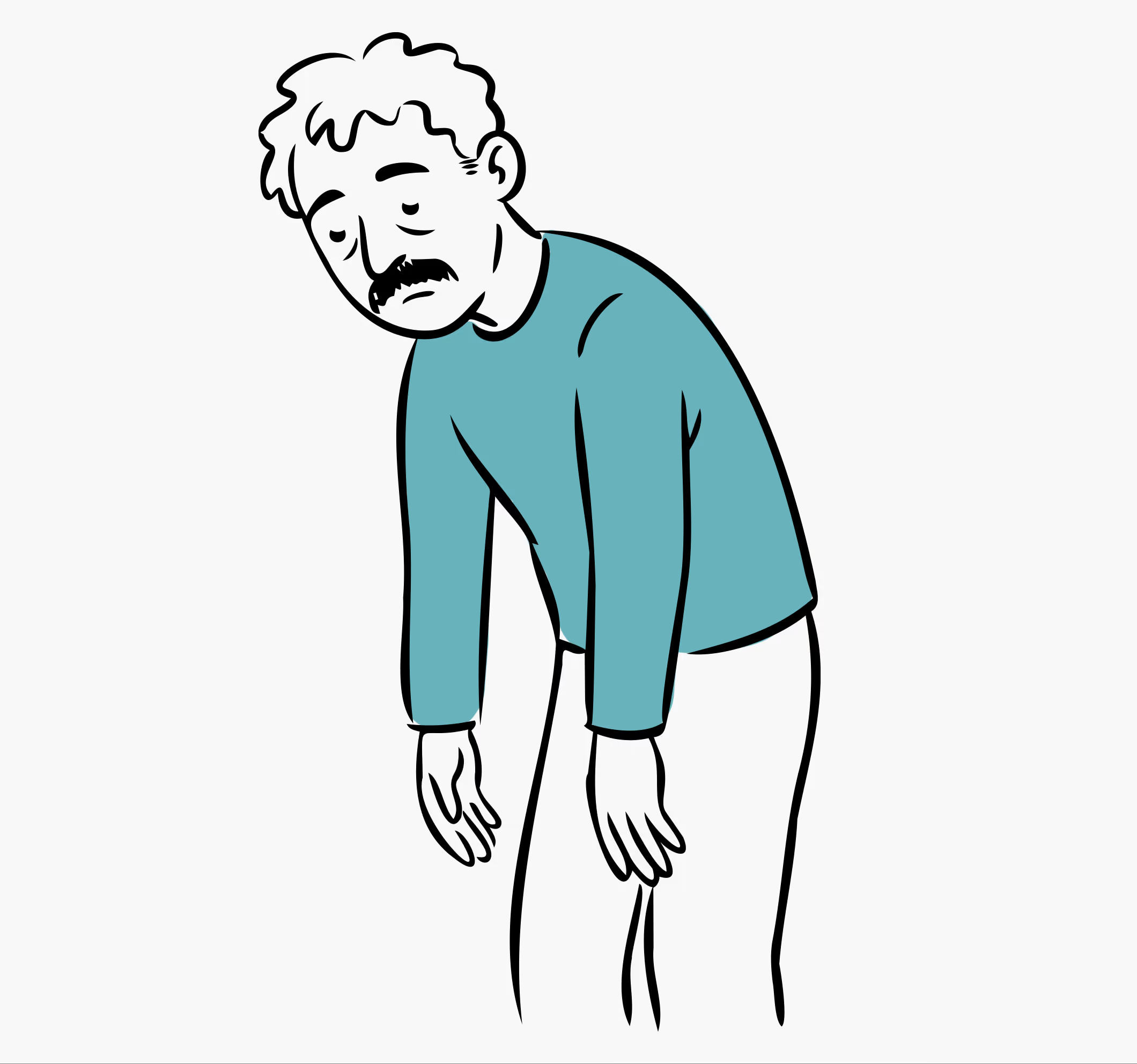
Testosterone plays an important role in maintaining healthy energy levels throughout the day. It supports metabolism, motivation and the body’s ability to sustain physical and mental effort. When testosterone levels fall, many men notice a persistent drop in energy.
This is not just feeling tired after a long day. It can feel like a constant lack of drive, where everyday tasks require more effort than they once did. Some men find themselves struggling through the afternoon, relying on caffeine, or waking up feeling unrefreshed even after a full night’s sleep.
Low testosterone can also affect recovery from physical activity and reduce overall stamina, making it harder to stay active and maintain healthy routines.
For men with confirmed testosterone deficiency, restoring hormone levels under medical supervision can help improve energy, motivation and overall vitality over time.
Experiencing any other symptoms?
Low testosterone rarely shows up as just one thing. If any of these feel familiar, take a look:
Your TRT questions, answered.