


Andropause (Male Menopause): Symptoms, Age and Treatment
What andropause actually is, why 'male menopause' is a misleading name, the symptoms, what age it typically starts, and the treatment options available.
10 real, evidence-based benefits of TRT for men with clinically low testosterone, from energy and mood to body composition and libido. From Arc TRT.


Written and medically reviewed by Dr Chris Airey, TRT Doctor at Arc TRT — BMBS MMedSc Dip ENDO, GMC 7490533. View full profile →
Search for "benefits of TRT" online and you find a mix of useful information and outright marketing nonsense. Some sources promise dramatic transformations. Others list every possible benefit, including things TRT does not really do. The truth sits in the middle, and being clear about what TRT actually offers helps men make informed decisions rather than chase the hype.
This article walks through 10 genuine benefits of TRT, backed by published research and consistent clinical experience, for men with clinically low testosterone. Important caveat: these benefits apply to men who are actually deficient. TRT for men with normal testosterone produces much smaller effects and is not what the treatment is designed for.
The most commonly reported benefit, and often the first to appear. Men with low testosterone often describe a persistent fatigue that does not improve with rest. It is a tiredness that sits underneath everything, makes ordinary tasks feel harder than they should, and removes the bandwidth for anything beyond the essentials.
When testosterone is restored to healthy levels, this fatigue typically lifts. Most men notice the change within 4-8 weeks. The improvement is often described as "feeling like myself again" rather than feeling energised in an unnatural way.
The mechanism involves multiple systems: testosterone supports red blood cell production (better oxygen delivery), influences mitochondrial function (cellular energy), affects sleep quality, and regulates mood. All of these contribute to how energetic you actually feel.
Low testosterone is associated with depressive symptoms in men: low mood, reduced motivation, irritability, anhedonia (loss of pleasure in things you used to enjoy), and a general flatness. This is not the same as clinical depression, but it can look similar from the outside and feel similar from the inside.
TRT often produces meaningful improvement in mood for men whose low T was driving the symptoms. The change can be subtle (less irritable, more interested in things, better stress tolerance) or significant (a clear lifting of long-standing low mood).
This is not a substitute for treating clinical depression where that is the actual diagnosis. But for men whose mood issues are downstream of low testosterone, restoring hormones often resolves them in a way antidepressants cannot.
Reduced sex drive is one of the classic symptoms of low testosterone, and one of the most reliable improvements with TRT. For men whose libido has dropped due to low T, restoration typically brings it back, often within the first 4-8 weeks.
Sexual function (erectile quality, ability to maintain erections, frequency of morning erections) also tends to improve, though the relationship is less direct. Erections involve vascular and neurological systems too, so TRT helps when low testosterone was the issue but is less helpful when the cause is elsewhere.
The honest version: TRT reliably improves libido in men with low T. It improves erectile function in many of them, but not all. If you have low libido alongside other symptoms, TRT addresses the underlying cause. If you have good libido but poor erectile function, TRT may help less and other investigations matter more.
The "brain fog" that men with low T often describe is real. Studies have linked low testosterone to reduced concentration, slower processing speed, poorer memory, and reduced executive function. TRT often improves these.
The change is not dramatic intelligence gain. It is more like getting your mental sharpness back to where it used to be. Easier focus, faster recall, less of the feeling that your brain is "buffering" when you try to think clearly.
This is particularly noticeable for men with demanding professional work, where the cognitive demands had started to feel harder than they should be.
When testosterone is restored to normal range, the body's capacity to build and maintain muscle returns. For men who train, this often translates into measurable strength gains, easier muscle building, and reversal of the slow muscle decline that low T tends to produce.
The honest version is in our TRT and muscle building article: TRT is not a steroid cycle. It restores normal anabolic function rather than pushing it into supraphysiological territory. The results are real but moderate, and they require training to materialise.
Low testosterone is associated with increased fat storage, particularly around the abdomen. The mechanism is twofold: low T makes it harder to build the metabolically active muscle that helps burn calories, and abdominal fat itself converts testosterone to oestrogen, creating a self-reinforcing cycle.
TRT can break this cycle. Men on properly managed TRT often see a reduction in visceral (abdominal) fat over the first 6-12 months. This is one of the most consistently observed body composition changes.
It is not weight loss in the traditional sense, and it does not replace diet and exercise. But fat distribution shifts in a healthier direction, which has metabolic benefits beyond appearance.
Testosterone is essential for bone density in men. Long-standing low testosterone is associated with reduced bone mineral density and increased fracture risk, particularly as men age. This often goes undiscussed because it does not produce symptoms until something fractures.
TRT improves bone density over time. Studies following men on long-term TRT show measurable increases in bone mineral density in the spine and hip. For men with low T into their 50s and beyond, this protective effect on the skeleton is one of the underrated long-term benefits.
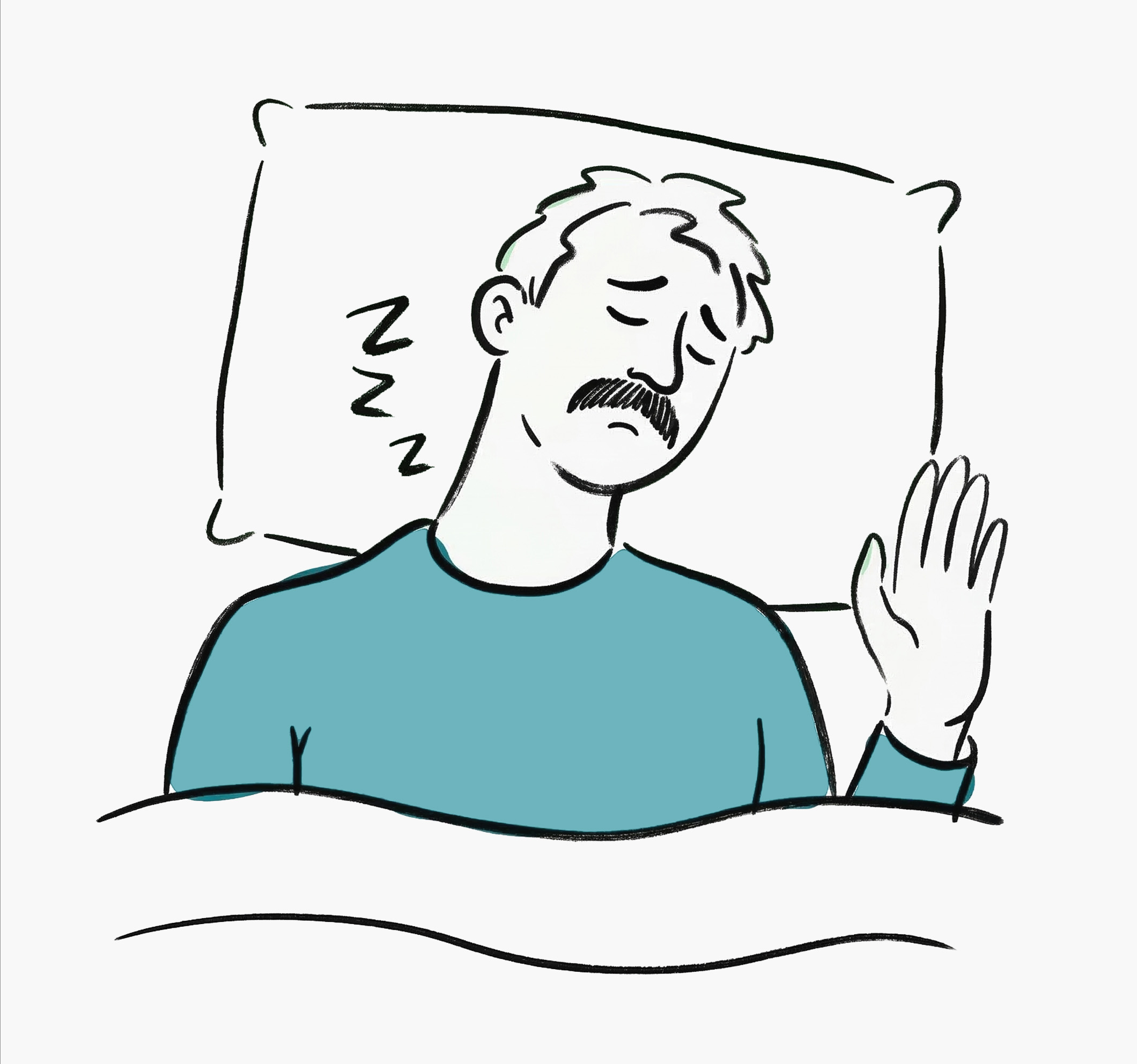
Testosterone and sleep have a two-way relationship. Most testosterone is produced during sleep, and disrupted sleep lowers testosterone. Equally, low testosterone is associated with poor sleep architecture: less deep sleep, more frequent waking, less restorative rest.
Many men on TRT report improved sleep quality within a few months. They are not necessarily sleeping more, but the sleep they get feels more restorative.
One important caveat: TRT can worsen sleep apnoea in some men. If you have a history of sleep apnoea or significant snoring, this is worth flagging with your doctor as part of the initial assessment.
Low testosterone is associated with insulin resistance, metabolic syndrome, and increased risk of type 2 diabetes. The relationships are complex (low T and metabolic issues often come together as part of broader health decline), but the connection is real.
Studies show that TRT in men with low testosterone can improve insulin sensitivity, fasting glucose, and other markers of metabolic health. This is particularly relevant for men whose low T sits alongside weight gain, prediabetes, or fatty liver concerns.
This is not the same as TRT being a treatment for diabetes. But for men with the metabolic-low-T cluster, addressing the testosterone side often improves the broader metabolic picture.
For years, there was concern that TRT might increase cardiovascular risk. The 2023 TRAVERSE study, the largest of its kind, settled much of this. Following over 5,200 men with low testosterone for nearly three years, the study found no increased cardiovascular risk from TRT compared to placebo.
What TRT can do for cardiovascular health, when managed properly, includes: improved cholesterol markers, reduced visceral fat (which affects cardiovascular risk), better insulin sensitivity, and improved exercise capacity. These all support heart health indirectly.
The "with proper monitoring" matters. TRT can increase haematocrit (red blood cell concentration), which needs regular blood monitoring. It can affect blood pressure in some men. These are manageable with the right protocol and regular follow-up, which is why doctor-led TRT differs significantly from self-administered approaches.
Worth being honest about this too, because overselling damages trust.
TRT does not cure depression. It can improve mood when low T is the cause, but clinical depression with other contributors needs proper psychiatric treatment.
TRT does not produce dramatic muscle gains without training. The effect on physique requires consistent resistance work.
TRT does not reverse all sexual dysfunction. It helps libido reliably and erectile function sometimes, but not always.
TRT does not stop normal ageing. It restores deficient hormones to normal levels. It does not push you into a younger physiological state.
TRT is not a quick fix. The major benefits accumulate over months, not days. Patience is part of the process.
The men who get the most from TRT are those with:
For men who fit this picture, personalised TRT is one of the most reliably beneficial interventions in modern medicine. The benefits are well-documented, the safety profile is well-established with the 2023 TRAVERSE evidence, and the impact on quality of life can be significant.
For men who do not fit this picture (normal testosterone, vague symptoms, expecting rapid transformation), TRT is the wrong tool for what they want. Other approaches (lifestyle changes, training, sleep, treatment of underlying conditions) are usually more appropriate.
TRT works. For men with clinically low testosterone and symptoms that affect their quality of life, the benefits are real, well-documented, and often significant. The treatment has been part of medicine for decades, and the 2023 evidence has clarified that properly monitored TRT is safe for most men with low T.
The starting point is finding out whether you actually have low testosterone. A comprehensive blood test reviewed by a doctor who specialises in male hormonal health is the most useful first step. From there, the conversation about whether TRT is right for you becomes a real decision based on data rather than speculation.
Thinking about TRT?
Arc TRT is a UK doctor-led testosterone clinic that has helped over 3,000 men investigate their symptoms and, where appropriate, begin properly monitored treatment. Start with a simple at-home blood test.
This article is for general information and does not replace personalised medical advice. Speak to a qualified clinician about your individual circumstances.
For the complete picture, see our full guide to TRT in the UK, covering eligibility, blood test thresholds, NHS and private routes, costs and monitoring. If you are still working out whether any of this applies to you, start with the symptoms of low testosterone.