
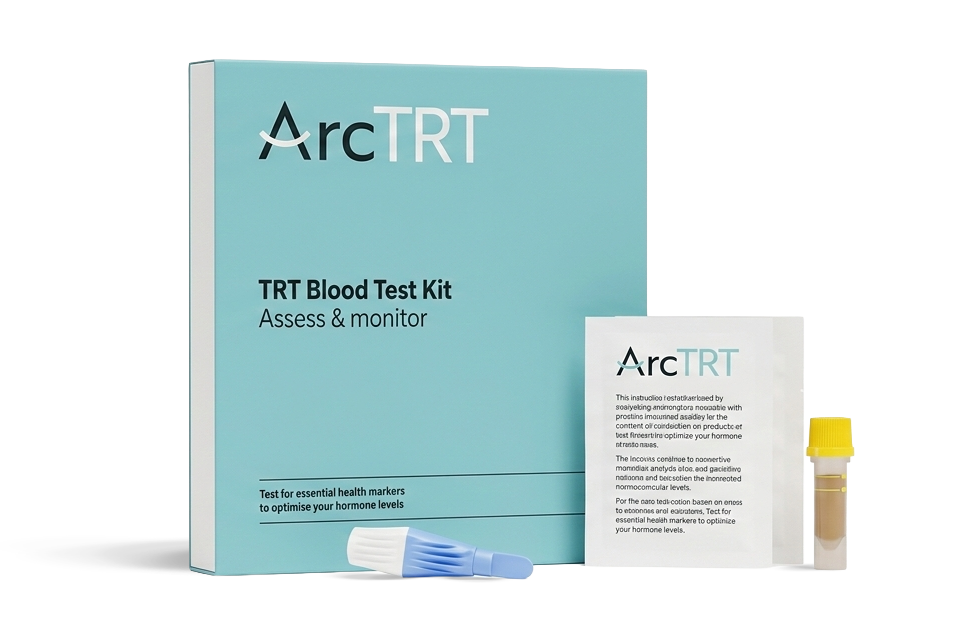
At Home Blood Testing Kit

A simple, at-home blood test to check your testosterone levels.
£ 45.00 GBP
Quantity

Details

A simple finger-prick blood test you can take at home, with no clinic visits required.

It measures both your total and free testosterone levels, giving you a clear understanding of where you stand.

Easy to use and return, with results reviewed by UK-registered clinicians.

A straightforward first step to understanding your levels and whether TRT is right for you.
What's Tested?

  • Total serum testosterone (all the testosterone circulating in your blood)
  • Albumin (An abundant protein in our bodies which has a weak affinity to bind to testosterone)
  • SHBG (sex hormone binding globulin) A protein present in smaller volume that has a strong affinity to bind with testosterone)
  • This is used to calculate your free androgen index and your Free Testosterone. The free testosterone is important, because this is the amount of testosterone which is available to act at receptors for testosterone.
  • What's Included?

  • Blood collection tubes
  • Finger-prick lancet
  • Alcohol wipes and gauze
  • Plasters and dressings
  • Biohazard bag
  • Prepaid return packaging
  • Blood collection form and labels
  • Step-by-step instructions for you to collect your sample
  • 1. Total Testosterone
    Total testosterone measures all the testosterone circulating in your blood. It gives your clinician a broad picture of your overall androgen levels, helping to identify deficiencies that may be causing fatigue, low libido, or reduced muscle mass.
    2. Free Testosterone
    Free testosterone is the portion of your hormone that is biologically active and available to your tissues. Testing it helps determine whether your body has enough usable testosterone, even if total levels appear normal.
    3. Sex Hormone-Binding globulin (sHBG)
    SHBG binds to testosterone and regulates how much is free and active in your system. High or low SHBG can make your testosterone appear misleadingly high or low, affecting how symptoms are interpreted.
    4. Albumin
    Albumin is a protein in your blood that carries hormones, including testosterone. It helps your clinician understand hormone availability and overall protein health, which is critical for accurate hormone assessment.
    5. Oestradiol (Oestrogen)
    Oestradiol is the primary form of estrogen in men. Balancing testosterone with estrogen is key for mood, sexual function, and cardiovascular health. Too much or too little can lead to side effects during TRT.
    6. Prolactin
    Prolactin is a hormone that, in excess, can reduce testosterone production and libido. Testing ensures elevated levels are identified and managed before starting therapy.
    7. TSH and Free T4
    These thyroid markers check whether your thyroid is functioning properly. Thyroid imbalances can mimic or exacerbate low testosterone symptoms like fatigue, weight changes, or low energy.
    8. PSA
    Prostate-specific antigen is a marker used to assess prostate health. Checking PSA is essential before starting testosterone therapy to rule out prostate issues and ensure safe treatment.
    9. Liver & Kidney Function
    These tests ensure your organs are healthy and able to process hormones safely. They also monitor for potential side effects once therapy begins.
    10. Full Blood Count
    A complete blood count checks red and white blood cells, platelets, and hemoglobin. It helps detect anemia, infections, or other conditions that could impact TRT safety.
    11. Cholesterol and Lipids
    Testosterone can influence cholesterol and cardiovascular risk. Baseline lipid levels help monitor heart health and inform lifestyle or medical interventions alongside therapy.
    12. Ferritin
    Ferritin reflects your iron stores. Low or high iron can affect energy, recovery, and overall health. It also helps ensure TRT is safe and well tolerated.
    13. HbA1c
    HbA1c gives a long-term measure of blood sugar control. Testosterone therapy can interact with metabolic health, so knowing your baseline helps monitor for risks like insulin resistance or diabetes.
    14. Luteinising Hormone (LH) and Follicle Stimulating Hormone (FSH)
    LH and FSH control natural testosterone production and sperm production. Measuring these helps assess fertility, understand the cause of low testosterone, and guide HCG use or other fertility-preserving strategies during treatment.

    Similar Products

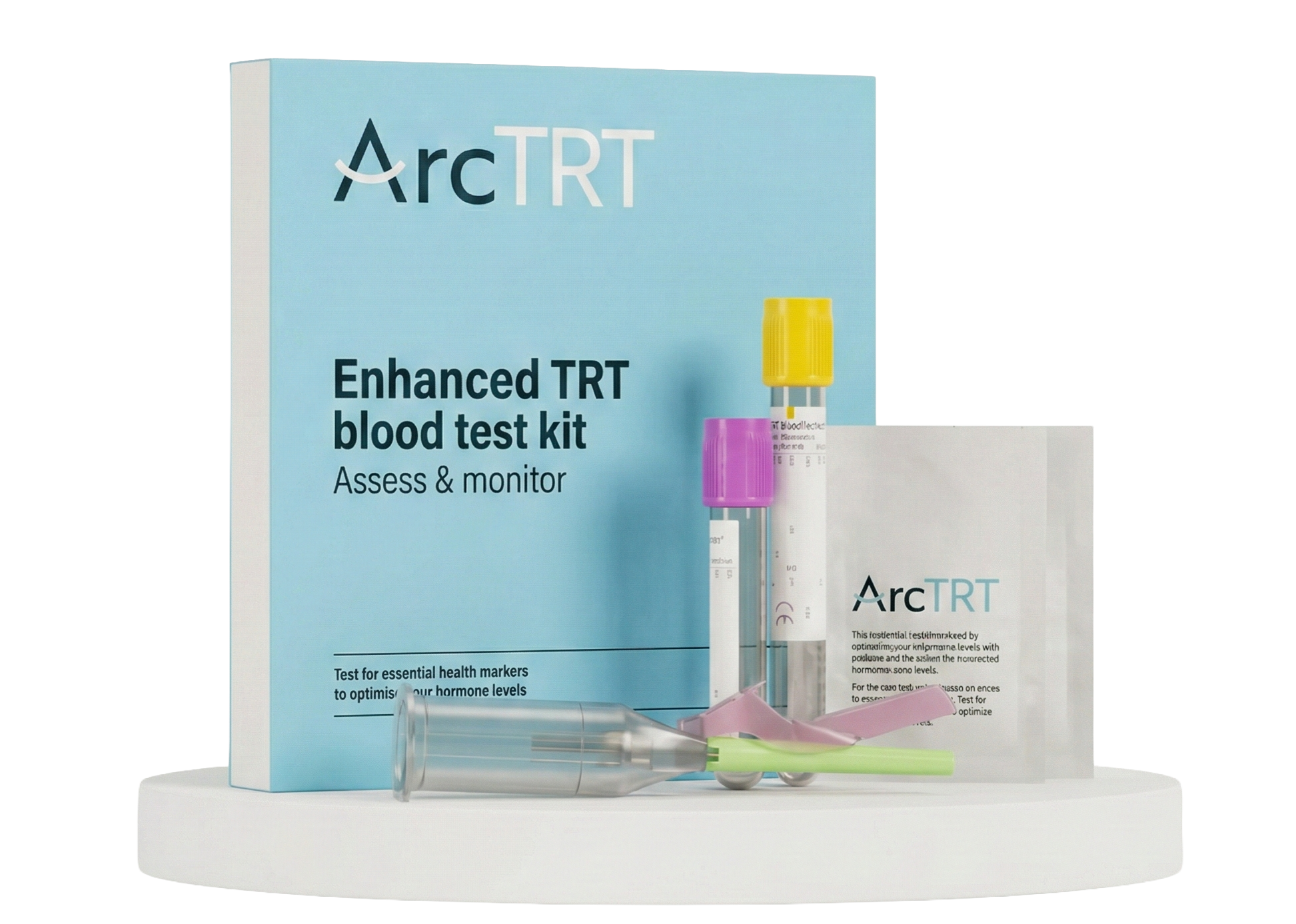
    Enhanced Testosterone Blood Test

    A comprehensive blood test to accurately measure your testosterone levels and assess your suitability for TRT.

    £ 110.00 GBP