



How Does It Work?
This guide explains how TRT works and what to expect from treatment.
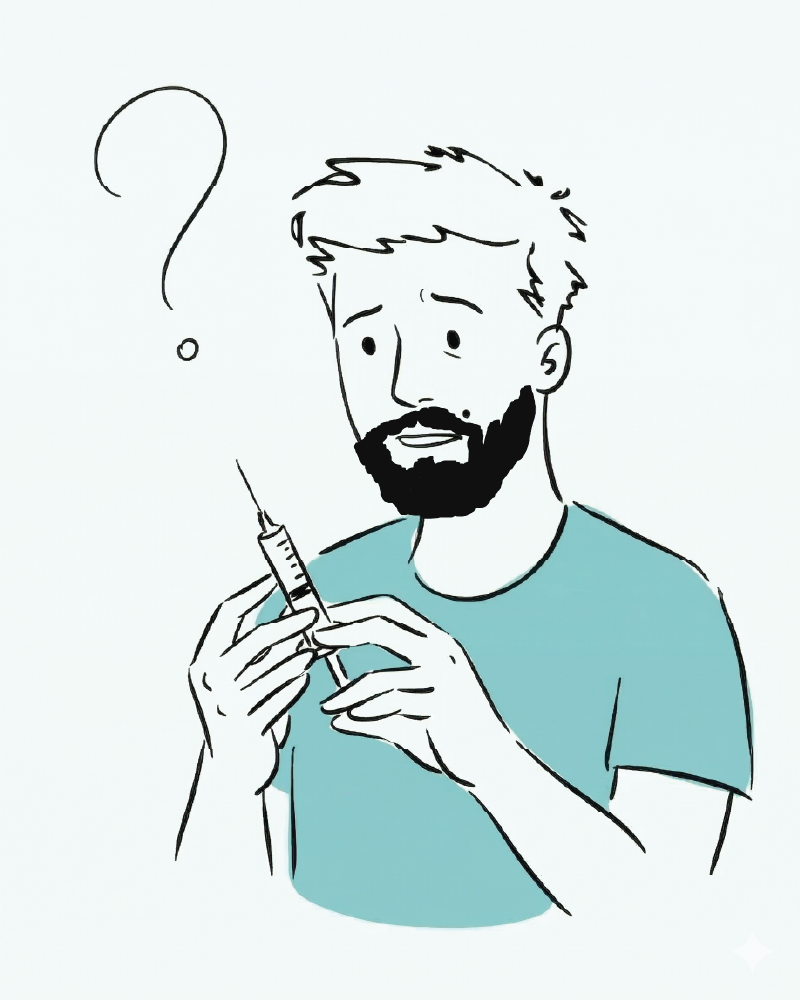
How TRT Works
Testosterone Replacement Therapy is not about pushing hormones beyond their limits.
It is about restoring balance where levels have fallen below a healthy range.
Testosterone influences far more than physical strength. It plays a role in energy, mood, libido, cognitive function, metabolism and overall wellbeing. When levels drop, the effects can build slowly over time.
TRT works by replacing the testosterone your body is no longer producing in sufficient amounts. The goal is simple. Bring levels back into a healthy physiological range and relieve the symptoms caused by deficiency.
The key is doing it properly.
It Starts With Evidence
Before treatment is even discussed, we start with data.
Symptoms such as fatigue, reduced libido, brain fog or poor recovery can have many causes. Blood testing allows us to measure your hormone levels and understand whether testosterone deficiency is truly part of the picture.
Testing typically includes:
Biochemistry
Hormones
• Total testosterone
• Free testosterone
• SHBG (Sex hormone binding globulin)
• Oestrogen
• Thyroid function test
• Metabolic and general health markers
• Cortisol
• FSH (Follicule stimulation hormone)
• LH (Lutenising hormone)
• PSA (Prostate specific antigen)
• Liver function test
• Kidney function test
• Lipid profile
• Vitamins (B12, Folate, D)
• Ferratin
Haemotology
• Baseline full blood count
• HBa1c
Looking at these markers together gives clinicians a reliable understanding of your hormonal health.
Because good treatment begins with good information.
Diagnosis Comes First
Testosterone naturally fluctuates during the day. Stress, illness, sleep and lifestyle factors can all influence results.
For this reason, diagnosis does not rely on a single blood test alone. Results are reviewed carefully alongside your symptoms and medical history. If required, confirmatory testing ensures levels are consistently low before treatment is considered.
Only when both symptoms and blood results align do we discuss TRT.
Restoring Hormone Balance
Once treatment begins, testosterone is introduced in a controlled and carefully monitored way.
This can be delivered through:
• Injections
• Transdermal gels
• Oral formulations in specific cases
The aim is not to create unnaturally high hormone levels. The aim is to restore levels back into the healthy physiological range seen in men with normal testosterone production.
This approach allows the body to regain balance without pushing it beyond its natural limits.
Monitoring Is Essential
TRT is not a set and forget treatment.
Your body adapts over time and hormone levels must be monitored carefully. Regular blood tests allow clinicians to track testosterone levels, oestrogen balance, red blood cell counts, cholesterol markers and overall metabolic health.
Adjustments can then be made where needed to keep therapy safe and effective.
This ongoing monitoring is what separates responsible TRT from poorly managed treatment.
What Many Men Notice
For men with confirmed testosterone deficiency, restoring levels to a healthy range can lead to noticeable improvements over time.
Common benefits reported include:
• Increased energy and reduced fatigue
• Improved libido and sexual function
• Better mood and emotional stability
• Improved mental clarity and focus
• Greater physical recovery and strength
Every individual responds differently, which is why treatment is personalised and reviewed regularly.
TRT Is Not for Everyone
TRT is only appropriate when testosterone deficiency is clearly confirmed.
If symptoms are caused by another condition such as thyroid dysfunction, sleep problems or lifestyle factors, these issues should be addressed first.
Responsible TRT always starts with the same principle.
Treat the cause, not just the symptoms.
A Process Built Around You
At ARC TRT, treatment is never rushed.
We assess your symptoms carefully, review your bloodwork thoroughly and discuss your options openly. If TRT is appropriate, your treatment plan is tailored to your body, your health history and your goals.
And if it is not the right step, we tell you that too.
Because good medicine is built on clarity, not pressure.
Start With the Facts
If something feels off, the first step is simple.
Test.
Understand.
Then decide.
Everything starts with knowing your numbers.